
Where Are Istanbul’s Urban Transformation Areas? 13 Key Locations to Know

ISTANBUL REAL ESTATE GUIDE / 2026
Understanding urban renewal, land scarcity, apartment sizes and purchase costs
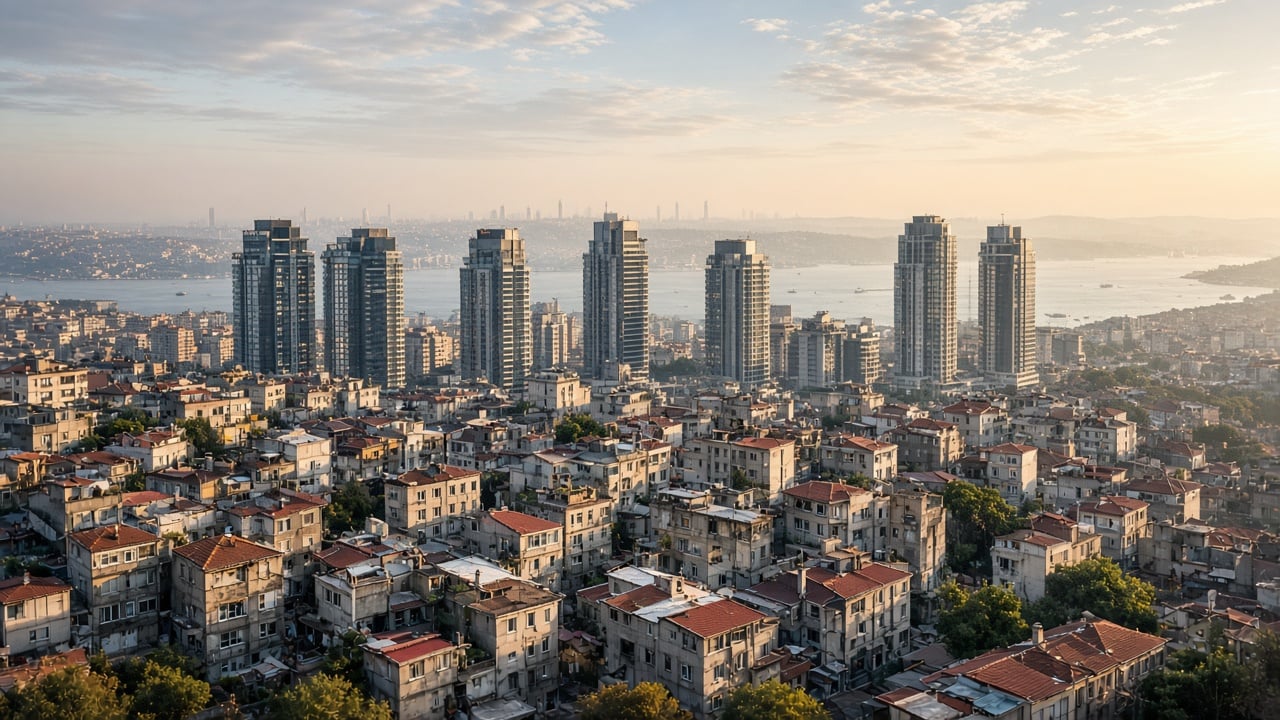
Where is urban transformation taking place in Istanbul? Urban renewal is occurring across the city, but 13 locations particularly worth evaluating are Topkapı, Zeytinburnu, Bağdat Caddesi, Kadıköy, Fikirtepe, Ataşehir, Üsküdar, Bağcılar, Güneşli, Yeşilköy, Kağıthane, Fatih and Beyoğlu. These are not all individually designated official “risk areas”; rather, they are established locations where building renewal, redevelopment or project-by-project transformation can create property opportunities.
One reason these locations attract attention is that much of Istanbul’s well-established urban fabric has limited vacant land for new residential development. In many neighborhoods, creating new housing therefore means replacing older buildings rather than constructing on an entirely empty site. For buyers, the central question is not simply whether a building is new, but whether the project combines a desirable location, appropriate pricing, sound construction and legally verified documentation. Browse Istanbul property listings with these criteria in mind.
Which Areas of Istanbul Have Strong Urban Renewal Potential?
The following 13 locations are selected from the areas Best House Turkey follows in Istanbul’s residential market. Conditions vary considerably from street to street, so they should be treated as a location-focused shortlist—not as a formal government ranking, a complete inventory of redevelopment projects or a guarantee of price appreciation.
European Side of Istanbul
Topkapı
Topkapı offers access to long-established inner-city neighborhoods and important transport connections. Redevelopment and the replacement of older properties can be relevant here, but each project should be assessed against its exact micro-location, title status and surrounding land use.
Zeytinburnu
Zeytinburnu combines established residential areas with access to major road and public-transport corridors. Buyers may encounter new residential stock emerging through site-based or building-based renewal. Location, density and building specifications remain key to comparing projects.
Bağcılar
Bağcılar is a large, mature residential district with varying building ages and neighborhood characteristics. Its redevelopment opportunities are highly local: the quality of the street, access to transport and the delivery track record of the developer can materially affect a property decision.
Güneşli
Güneşli, within Bağcılar, deserves separate attention because buyers frequently search for it as a distinct residential and business location. Modern schemes may appeal to those seeking access to the Basın Ekspres corridor, but Güneşli and Bağcılar should not be counted as two separate districts.
Yeşilköy
Yeşilköy is a well-established coastal neighborhood in Bakırköy. Its established character and limited opportunities for vacant-land development make individual building-renewal projects relevant. Due diligence should pay particular attention to neighborhood-specific planning rules and building characteristics.
Kağıthane
Kağıthane has undergone significant physical change and includes older residential fabric alongside more recent projects. Access toward Istanbul’s central business areas can influence demand, although price and construction quality differ substantially by location.
Fatih
Fatih has a dense, long-established urban fabric and important historic areas. Building renewal must be distinguished from ordinary new development because conservation status, heritage constraints and planning restrictions can be especially important.
Beyoğlu
Beyoğlu contains central, historic and mixed-use neighborhoods with limited conventional vacant-land supply in many locations. Property renovation and redevelopment may offer opportunities, but heritage protections, zoning, building condition and usage permissions require careful review.
Asian Side of Istanbul
Bağdat Caddesi
Bağdat Caddesi is a major residential and commercial corridor on the Asian side, particularly associated with established neighborhoods in Kadıköy and beyond. Replacing older apartment buildings can create modern housing in sought-after streets where undeveloped land is scarce. Exact street position and construction specifications strongly influence pricing.
Kadıköy
Kadıköy has a diverse and mature housing stock. Building-by-building replacement is relevant in various neighborhoods, but there is no single market profile for the entire district. Bağdat Caddesi and Fikirtepe are both related to the broader Kadıköy area and have different redevelopment characteristics.
Fikirtepe
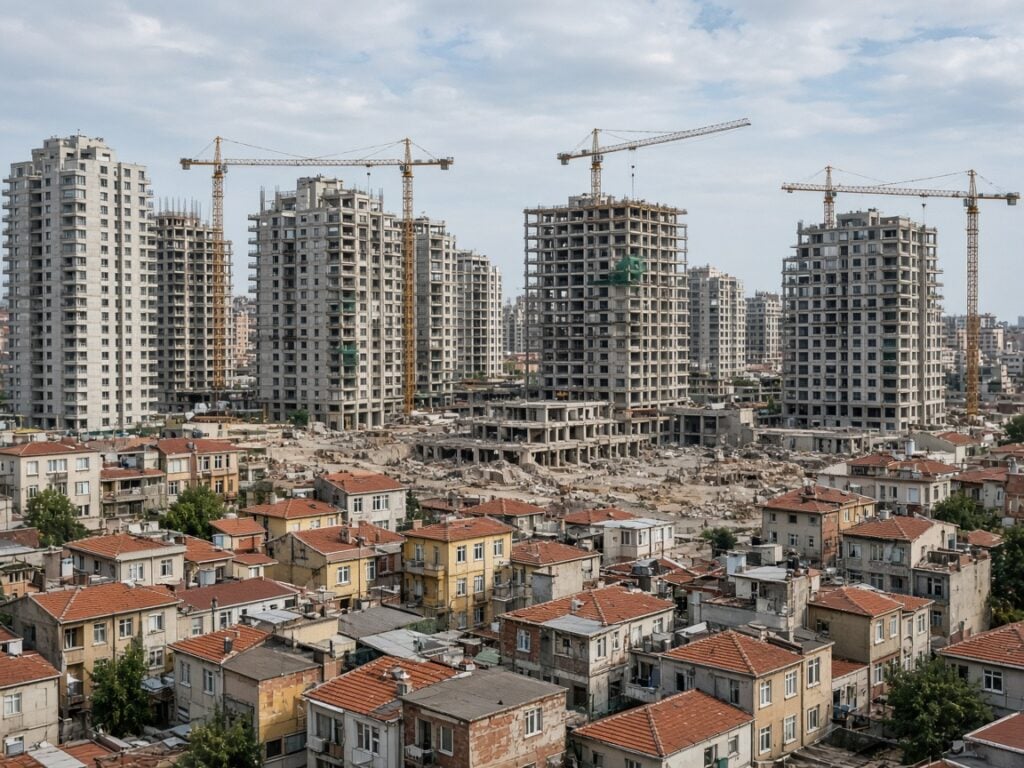
Fikirtepe is one of Istanbul’s clearest examples of large-scale redevelopment. The Urban Transformation Directorate reported the beginning of handovers for 11,729 independent units in the first phase of the New Fikirtepe project in May 2026. Buyers should verify the precise phase, title status, handover documentation and completed facilities of any individual unit.
Ataşehir
Ataşehir includes established residential neighborhoods and newer project clusters. Connectivity to employment centers and amenities can support buyer interest; however, suitability depends on the particular building, layout, management costs and entry price.
Üsküdar
Üsküdar includes historic neighborhoods, waterfront-adjacent residential areas and inland neighborhoods with very different pricing profiles. The scarcity of land in some established locations makes replacement of older housing stock relevant, but planning conditions and project quality vary greatly.
Why Can Urban Transformation Properties Be Valuable?
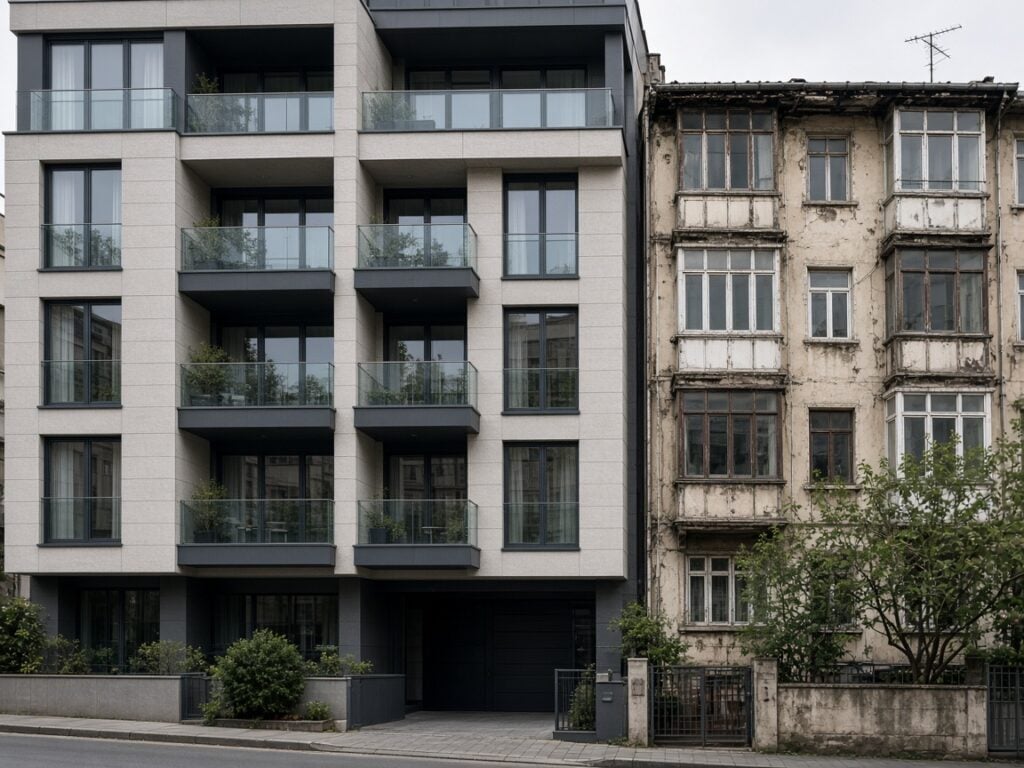
Land scarcity in established neighborhoods is an important part of the investment story. Where new residential plots are limited, replacing old buildings may be one of the few ways to create new homes in a location with existing transport, schools, healthcare, retail and other amenities.
A newly built apartment in such an area can combine a sought-after location with updated design and building systems. That may appeal to owner-occupiers, renters and future buyers. However, limited land supply does not automatically translate into higher prices or stronger rental yields. Purchase price, competition, borrowing costs, local demand and property-specific risks still matter. Investors comparing options may also review property investment listings alongside renewal projects.
Are Apartments in Urban Transformation Projects Smaller?
They can be. In densely built or high-land-value locations, building footprints, planning parameters and project economics can encourage more compact layouts.
For example, a two-bedroom-and-living-room apartment (2+1) in one urban-renewal project might be around 75 m², while a 2+1 in another neighborhood or project could be 85–90 m². These figures are illustrative examples from the types of properties buyers may encounter, not verified Istanbul-wide averages.
Always compare net usable area with net usable area rather than comparing a net measurement with a gross advertised measurement. A smaller, well-designed apartment in a strong location may fit one buyer better than a larger property elsewhere; another buyer may reasonably prioritize space.
Is There a Title Deed Fee Exemption for Urban Transformation Properties?
Potentially, yes—but not automatically. Under Law No. 6306, qualifying first-sale transactions involving newly built units following specified urban transformation procedures may benefit from title deed fee exemptions when all legal conditions are met and the seller falls within the eligible categories.
The Turkish Revenue Administration’s guidance distinguishes qualifying first sales by the contractor and certain specified institutions from transactions that do not qualify—for example, some sales made by individual landowners. Buying directly from a developer, by itself, does not guarantee an exemption.
Before committing to a purchase, ask the seller and the relevant professionals to verify the project’s Law No. 6306 status, the identity of the selling party, whether the sale is the qualifying first transaction and any remaining closing costs. Notary, administrative, tax or other transaction expenses may still apply depending on the circumstances.
What Should Buyers Check Before Purchasing?
- Exact location and comparable prices: assess the street and neighborhood rather than relying on the district name alone.
- Legal position: verify title deed status, construction permits, occupancy permit where applicable, zoning and any registered restrictions.
- Structural and technical documentation: request relevant engineering, project and compliance records; “new” is not a substitute for independent verification.
- Developer and delivery: review the contractor’s track record, the construction stage, handover terms and contractual remedies for delay.
- Usable space: verify net area, room dimensions, layout efficiency and any differences between sales materials and official plans.
- Total ownership cost: include applicable title deed fees, taxes, VAT where relevant, agency fees, service charges and furnishing expenses.
- Exit and rental strategy: consider realistic comparable rents, maintenance costs, resale liquidity and time horizons rather than guaranteed returns.
Frequently Asked Questions
Which Istanbul neighborhoods are undergoing urban transformation?
Urban transformation and building renewal occur across Istanbul. Among the locations worth exploring are Topkapı, Zeytinburnu, Bağdat Caddesi, Kadıköy, Fikirtepe, Ataşehir, Üsküdar, Bağcılar, Güneşli, Yeşilköy, Kağıthane, Fatih and Beyoğlu. Formal transformation designations must be checked for each site.
Is Fikirtepe a major urban transformation area?
Yes. Fikirtepe has been the subject of major formal redevelopment efforts. In May 2026, the Urban Transformation Directorate announced the start of handovers for 11,729 independent units in the first phase of New Fikirtepe.
Are urban transformation areas in Istanbul good for investment?
Some projects may be attractive because they provide newer homes in established locations with limited vacant land. Returns are not guaranteed and should be assessed using location-specific comparable prices, construction quality, legal checks and expected costs.
Are two-bedroom apartments in redevelopment projects always smaller?
No. Apartment size varies by project. A 75 m² 2+1 and an 85–90 m² 2+1 are examples of possible layouts, not fixed rules or independently established averages. Confirm whether measurements are net or gross.
Do buyers pay title deed fees on urban transformation apartments?
The applicable rules depend on the project, seller and type of transaction. Certain first sales under Law No. 6306 can be exempt, but not all purchases from developers qualify. Buyers should confirm the exemption before signing.
Does every location listed here have official “risky area” status?
No. Urban renewal activity, a designated risky area and an individually designated risky building are different concepts under Turkish legislation. Official legal status must be verified for the specific property.
How can I compare renewal projects across different Istanbul districts?
Compare street-level location, genuine net living area, construction and compliance records, developer reliability, purchase price, estimated running expenses and potential rental demand. An independent property assessment can help.
Buying Property in Istanbul with Greater Confidence
Urban transformation creates different types of housing opportunities across Istanbul, from individual apartment-building replacements to large-scale redevelopment. For international buyers, understanding the value of the underlying location—and the legal and financial details of the property—is just as important as choosing a new building.
Best House Turkey assists buyers with property selection, developer coordination, transaction checks and post-purchase property services. Our approach is to evaluate the location, project and total purchase conditions together so buyers can make informed decisions. Learn more about our after-sales services.
Explore Istanbul property opportunities with Best House Turkey. We’ll Always Be Here.
Official Sources and Further Reading
- Urban Transformation Directorate – Risky Building Process (Ministry of Environment, Urbanisation and Climate Change)
- Urban Transformation Directorate – New Fikirtepe first-phase handovers (May 2026)
- Turkish Revenue Administration – Stamp tax and title deed fee exemptions under Law No. 6306 (Circular 2022/1)
- Land Registry and Cadastre General Directorate – Fee exemption guidance under Law No. 6306
Editorial note: Area descriptions reflect general market characteristics and do not constitute an official map of risky areas, a project inventory, financial forecasts or legal/tax advice. Property-specific records and current rules should be verified before purchase.