
Property Valuation Reports in Turkey: What Buyers Should Verify


A property valuation report in Turkey is a professional opinion about a specific property at a date. Buyers should read it as evidence for due diligence, not as a guaranteed sale price or a substitute for legal, planning, technical, or tax review. Check whether the address, unit, area, use, condition, and transaction context match the home you intend to buy. Then inspect valuation method, assumptions, limitations, and comparable properties. If important details conflict with what you see, pause and clarify.
1. Understand what the report does
A valuation report records an appraiser’s assessment of a defined property, using stated information and a chosen method. Its conclusion is not a promise that a buyer can resell at that amount, nor proof that every legal or physical feature is acceptable. First identify the report’s purpose, commissioning party, intended users, valuation date, and scope. A report prepared for one transaction or administrative purpose may not answer every investment question. Read its limitations carefully. Ask whether the figure represents market value, another basis, or a value subject to particular assumptions. Keep the distinction clear: valuation informs judgment, while your purchase decision also depends on condition, title, financing, and personal needs.
2. Match the property identity
Begin with the identifying details, not the headline figure. Compare the report’s province, district, street, building, block, parcel, independent unit, floor, and door information with the documents and property shown to you. Confirm that it describes the exact apartment, villa, shop, or land under negotiation. Similar addresses or units can be confused, especially in large developments. Check whether the report includes a parking space, storage area, terrace, or other accessory, and whether those items are legally attached or merely used in practice. Ask the seller or adviser to resolve any mismatch in writing before relying on the valuation. A correct value for a different unit is not useful evidence for your purchase.
3. Verify area, use, and condition
Compare the reported size and property description with plans, title information, and what you can inspect. Reports may distinguish gross and net areas, and those figures are not interchangeable. Ask which measurement the appraiser used and whether balconies, shared spaces, or extensions are included. Check the recorded use against the intended use: residential, commercial, or another category may affect comparison and permitted activity. Read comments about construction quality, age, occupancy, renovation, damage, and access. A short inspection cannot replace a technical survey, so treat visible defects or inaccessible areas as questions. If the report assumes good condition but the home needs substantial work, request an explanation of how that assumption influences the conclusion.
4. Read the value date and basis
Find the date at which the value is assessed and the basis stated by the appraiser. A report can become less useful when market conditions, property condition, or transaction facts change after that date. Ask whether the conclusion concerns the property as inspected, a completed project, or a hypothetical condition. Note any assumed vacancy, occupancy, access, or legal status. Do not compare figures until you know that they refer to the same basis and property interest. A hypothetical example: if one report assumes an empty apartment while a buyer is purchasing it with an occupant, the stated figure may not directly answer the buyer’s practical question. Clarify the difference rather than treating either number as universally decisive.
5. Examine the method and comparable evidence
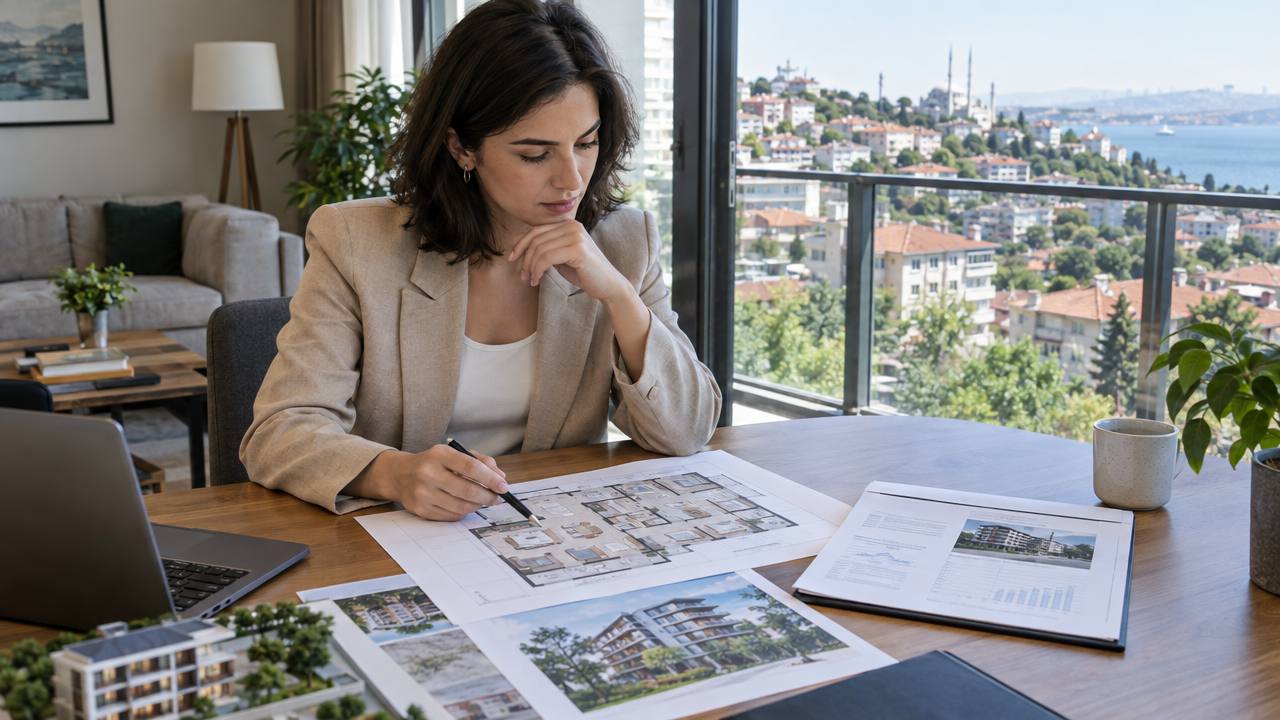
Look for an explanation of how the appraiser reached the conclusion. Depending on property type and available evidence, the report may discuss comparable sales, income, or another suitable approach. Check whether comparable properties share relevant features such as location, size, condition, floor, building quality, and permitted use. Ask how differences were considered and whether the evidence reflects completed transactions or asking prices. Asking prices alone do not establish what buyers actually paid. A hypothetical comparison between a renovated unit near transit and an older unit farther away needs adjustments or a clear explanation. If the report gives a figure without enough reasoning to follow, ask for clarification. Do not assume that several nearby listings automatically make a sound comparison.
6. Identify assumptions and exclusions
Read the assumptions, special conditions, exclusions, and limiting statements closely. These may concern access, measurements, title information, planning status, building condition, occupancy, or documents supplied by others. Understand which matters the appraiser verified and which were accepted without independent checking. A valuation is not necessarily a structural inspection, title opinion, planning confirmation, or guarantee against hidden defects. Ask direct questions about any condition that matters to your intended use. For example, if the report relies on supplied plans, confirm separately that the plans correspond to the actual unit. Record unresolved points and assign each one to the appropriate professional. Do not silently convert an assumption into a verified fact when weighing the purchase or negotiating terms.
7. Compare the report with the transaction
Set the report beside the proposed contract, payment schedule, advertised description, and seller’s statements. Check that the property, included items, condition, and transaction timing are consistent. A difference between the report’s assessed value and the asking price is a prompt for investigation, not automatic proof of overpricing or a bargain. Consider whether the gap reflects renovation, furnishing, urgency, unusual terms, or a mismatch in area or property identity. Ask the seller to explain material discrepancies and request supporting documents. Keep the purchase price, valuation figure, and your own budget distinct. If you model financing or future resale, state the assumptions openly. Do not treat a single report as a forecast of future market performance or guaranteed liquidity.
8. Raise questions and choose next steps
Prepare focused questions before contacting the appraiser or your adviser. Ask which property records were reviewed, how measurements were obtained, why particular comparisons were selected, and what could materially change the conclusion. Request correction if a factual detail is wrong, and ask how the corrected information affects the analysis. Preserve the original report and any revised version. If uncertainty remains about title, planning, structure, tax, or value, consult a suitably qualified independent professional for that issue. Choose independence when the report’s scope does not address your concern, evidence appears inconsistent, or the decision has significant consequences for you. Make the purchase decision only after unresolved risks, costs, and responsibilities are clear enough for your circumstances.
Frequently asked questions
1. Does a valuation report guarantee the property’s sale price?
No. It is an opinion based on a defined date, scope, evidence, and assumptions. A completed transaction can differ because of negotiation, market changes, condition, or terms.
2. Is the reported value the same as the asking price?
No. The asking price is what a seller seeks; the valuation is an appraiser’s conclusion under stated conditions. Compare their foundations before judging the difference.
3. What should I check first as a foreign buyer?
Confirm the exact property identity, address, unit, area, use, and valuation date. Then compare those details with available property documents and the home you are viewing.
4. Can the report confirm title or building safety?
Do not assume so. Read its scope and exclusions. Seek appropriate legal or technical review for title, permits, structural condition, and other matters the report does not verify.
5. What if the report has incorrect details?
Pause reliance on the conclusion. Identify the exact error, provide relevant documents, and ask for clarification or correction. Keep written records and check whether the change affects the analysis.
6. When should I obtain independent advice?
Consider it when important assumptions remain unverified, comparable evidence is unclear, property details conflict, or the report does not answer a consequential question. Select a professional suited to that specific issue.
Conclusion
Use a property valuation report in Turkey as one carefully bounded part of buyer due diligence. Verify that it describes the exact property, understand its date and valuation basis, and test its assumptions against available documents and your own inspection. Treat differences from the asking price as questions requiring context, not as automatic proof. A report cannot replace legal, technical, or planning advice outside its scope. When material facts conflict or remain uncertain, pause and seek a qualified independent opinion. This disciplined review helps buyers make a clearer decision, identify follow-up tasks, and avoid relying on a number without understanding what it represents.