
How to Get Turkish Citizenship? Complete Guide for Foreigners 2026
Turkey has become one of the most attractive countries for foreign investors not only because of its tourism appeal, but also because of its growing position as a place to live, invest, and build a future. Sitting at the crossroads of Europe, Asia, and the Middle East, Türkiye offers a unique combination of strategic location, strong real estate opportunities, modern infrastructure, and a citizenship program that has gained international attention. For many global investors, especially those from Pakistan and the Middle East, Turkish citizenship has become a practical and valuable option.
In recent years, interest in Turkish citizenship by investment has increased significantly. The reason is simple: the program offers a clear legal pathway, family inclusion, and access to a country with strong economic potential and a growing property market. Among all available routes, real estate investment remains the most preferred and most practical way to qualify. This guide explains how Turkish citizenship works in 2026, who can apply, what the requirements are, how the process unfolds step by step, and why so many investors choose this route.
Turkish citizenship by investment is a legal program that allows foreign nationals to obtain Turkish citizenship by making a qualifying investment in the country. The program is regulated by the Republic of Turkey and was created to attract foreign capital while offering investors and their families a direct path to citizenship.
The most popular route is real estate investment. This means the applicant purchases a property that meets the official requirements and follows the correct legal process. When the investment is completed properly, the main applicant can usually obtain citizenship together with a spouse and children under the age of 18.
What makes this program especially attractive is that it is not only about obtaining a passport. It is also about owning an asset in a growing market. For many investors, this creates a stronger sense of value because they are combining citizenship with property ownership.
Turkey continues to attract foreign investors for several reasons. One of the biggest advantages is its location. Türkiye connects Europe, Asia, and the Middle East, which makes it strategically important for business, travel, and long-term personal planning. This geographic position gives the country a strong appeal for investors who want mobility and access to multiple regions.
Another major reason is the real estate market. Cities such as Istanbul, Antalya, Bursa, Bodrum, and Izmir offer a wide range of property options for different budgets and goals. Some investors are looking for high-end apartments in central locations, while others are focused on family homes, villas, or commercial property. In many cases, the market provides both lifestyle value and investment potential.
Turkey is also appealing because of its modern infrastructure, healthcare system, education opportunities, and relatively competitive property prices compared with many European markets. For investors from Pakistan and the Middle East, these factors make Turkey feel both practical and familiar.
Although Turkey offers several citizenship by investment routes, real estate remains the most preferred option. The main reason is that it is straightforward and easy to understand. Instead of placing money into a financial instrument or business structure, the investor buys a real property that can later be used, rented, or sold.
This gives the buyer something tangible. For many investors, that is a major advantage. A property can be visited, evaluated, and held as a real asset. It also provides long-term flexibility. After the required holding period, the investor may choose to keep the property, rent it out, or sell it. This makes the route more attractive than options that only involve deposits or capital transfer.
Real estate also fits naturally with long-term family planning. Many foreign buyers are not only thinking about citizenship, but also about where their family might live, study, or spend time in the future. A property in Turkey can serve multiple purposes at once.
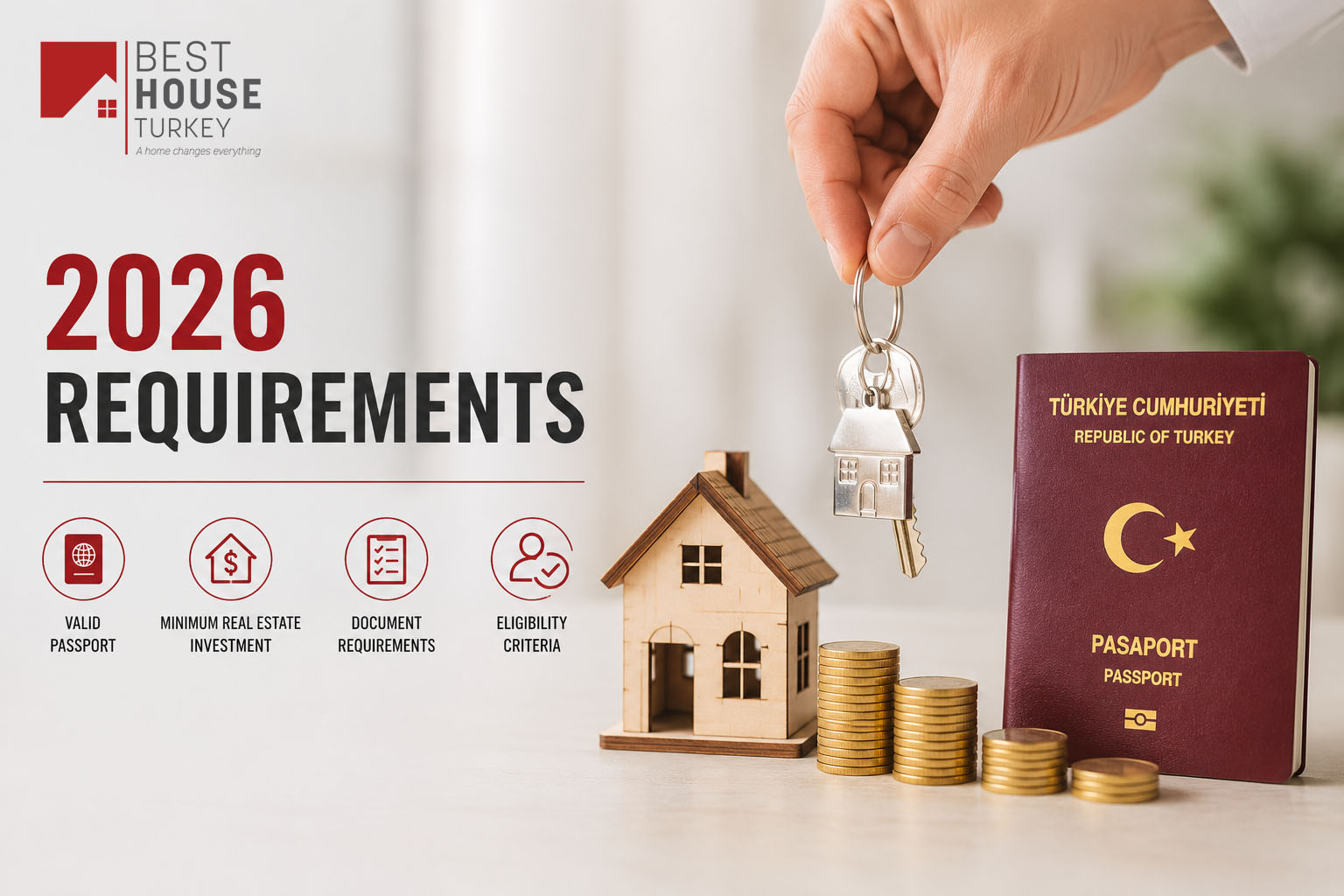
As of 2026, the key requirement for Turkish citizenship through the real estate route is a minimum property investment of USD 400,000. This is the official threshold that must be met through a legally compliant transaction. It is important to understand that the sale price alone is not enough. The official valuation report must also support the qualifying amount.
The property must remain subject to a three-year resale restriction. This means that once the title deed is registered, a note is placed on the property stating that it cannot be sold for three years. After that period, the restriction can be removed, and the property can be sold if the owner wishes.
The payment must be made through official Turkish banking channels. This is a critical part of the process. Proper bank records, transfer evidence, and legal documentation are all required to support the citizenship application. The property itself must also be legally suitable, with a clean title deed and no unresolved legal issues.
Main requirements at a glance
Minimum property value: USD 400,000.
Official appraisal report required.
Payment must be completed through Turkish banking channels.
Three-year resale restriction must be recorded.
The property must be legally eligible for citizenship purposes.
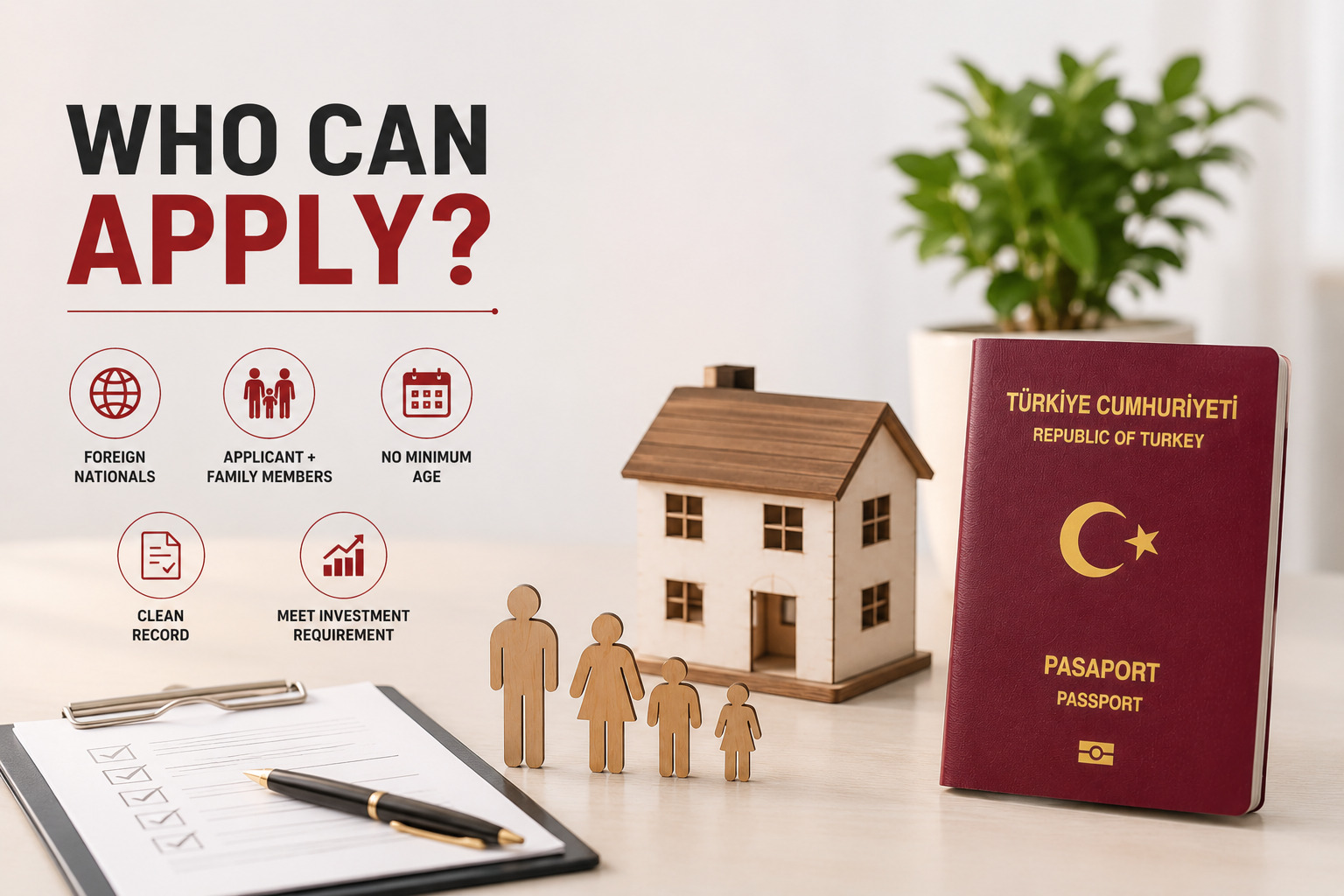
One of the strongest features of the Turkish citizenship program is that it is open to many foreign nationals. There are no general nationality restrictions for the investment route, which means applicants from Pakistan, the Middle East, Europe, Asia, and many other regions can apply if they meet the legal requirements.
This inclusiveness is one of the reasons the program is so popular among international investors. For Pakistani citizens, it offers a clear opportunity to invest in a stable, growing market while also securing citizenship. The same applies to investors from Gulf countries and other Middle Eastern markets who are looking for a combination of family security, asset ownership, and global mobility.
The main applicant can usually include a spouse and children under 18 in the same file. This is especially valuable for families who want to plan together rather than individually. Adult children are generally not included automatically, so separate legal review may be needed if they are part of the family plan.
Applicants must also show that their funds come from a legal source. This is standard for cross-border investment and helps ensure that the application meets financial compliance requirements. Clear records are always important, especially when money is transferred from another country into Türkiye.
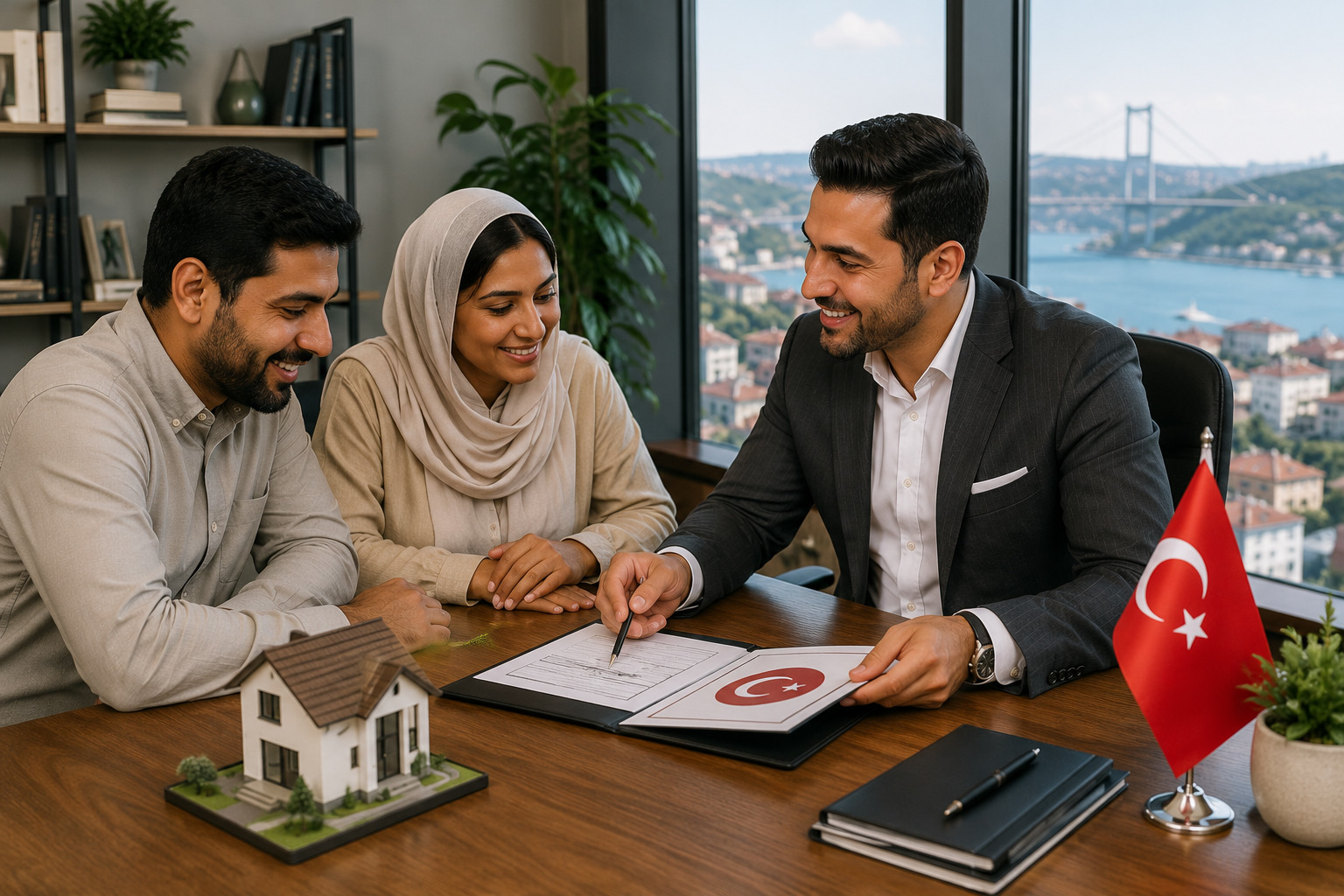
The Turkish citizenship process through real estate is relatively clear, but every step must be handled properly. It is not just a property purchase. It is also a legal process that depends on correct documents, official valuation, and clean banking records.
1. Property Selection
The first step is choosing a property that qualifies for the citizenship program. Not every property on the market will be suitable. The property must meet the legal threshold, have a clean title deed, and pass the official valuation requirement.
This stage is one of the most important because the quality of the property will affect the entire process. Many investors from abroad prefer to work with a local consultant so they do not waste time on properties that may look attractive but do not actually qualify. Best House Turkey can help buyers focus only on eligible properties that fit the citizenship route.
2. Purchase and Title Deed Transfer
After the right property is selected, the purchase is completed through official banking channels. The title deed is then transferred to the buyer’s name. This step is essential because the citizenship application depends on clear ownership records.
At this stage, the title deed office also records the three-year non-sale restriction. This is one of the core legal conditions of the program. If the transfer is not handled properly, the application may face delays or problems later on.
3. Conformity Certificate
Once the property purchase is completed, the next step is obtaining the conformity certificate. This document confirms that the investment meets the citizenship rules. It is one of the key legal documents in the process.
To receive this certificate, the authorities review the valuation report, the bank transfer records, and the title deed information. If there is any mismatch between these documents, the file can be delayed. That is why accuracy is so important from the beginning.
4. Residence Permit and Application Submission
Before the final citizenship application is submitted, the main applicant usually obtains a short-term residence permit. This is a procedural requirement and does not mean the investor has to live in Turkey full time.
After that, the full citizenship application file is prepared. This file may include the passport, photos, birth certificates, marriage certificate if relevant, translations, notarized documents, the title deed, and the conformity certificate. The file must be complete and consistent.
5. Review and Approval
After submission, the application enters the review stage. Authorities check the investment, verify the documents, and complete background screening. If everything is in order, citizenship is approved and the applicant and eligible family members can receive Turkish identity cards and passports.
This is the final stage of the process. For many investors, it marks the transition from property buyer to Turkish citizen.

In many cases, Turkish citizenship by investment can be completed in around 3 to 6 months. This is one of the reasons the program has become so popular. Compared with many other global citizenship programs, the Turkish route is relatively fast and efficient.
However, the timeline can vary. Delays may happen if documents are incomplete, if the valuation report does not meet the threshold, or if there are banking or title deed issues. Investors who prepare their files carefully from the beginning usually move through the process faster.
For buyers from Pakistan and the Middle East, additional time may sometimes be needed for translations, consular documents, or power of attorney arrangements. Even then, the process remains very manageable when handled properly.

Many investors face delays because of avoidable mistakes. One of the biggest mistakes is choosing a property without checking whether it qualifies for citizenship. A property may look good from a sales perspective, but still fail the legal test.
Another common mistake is focusing only on the sale price instead of the official valuation. The appraisal report is what matters. If that value is below USD 400,000, the application may fail even if the buyer paid more in practice.
Bank transfer errors also cause problems. The money must be transferred through the correct banking channels and documented properly. If the financial records are unclear, the authorities may request additional clarification.
Incomplete paperwork is another issue. Translations, notarizations, and supporting documents all need to be accurate. Even a small mistake can slow the process down. This is why many foreign investors prefer to work with a professional local partner.
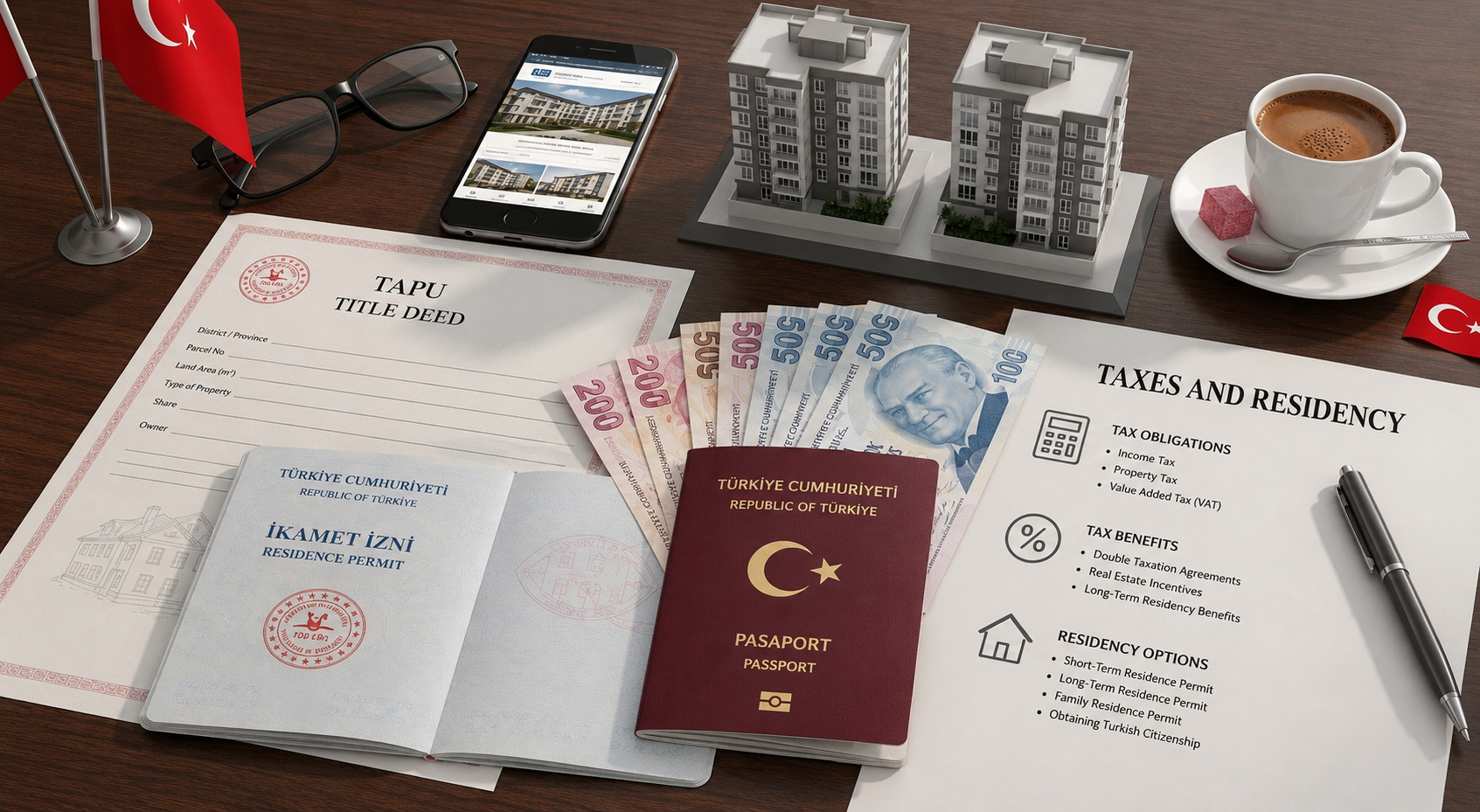
Another common question is whether Turkish citizenship automatically makes someone a tax resident. The answer is no. Citizenship and tax residency are not the same thing.
A person can become a Turkish citizen without automatically being treated as a tax resident in Türkiye. Tax treatment depends on individual circumstances, actual residence, and income sources. For example, rental income from a property in Turkey may be subject to local tax rules, while global income is treated separately depending on the person’s tax position.
This distinction is important for international investors who want to understand the full financial picture. Citizenship gives legal status, but tax obligations must be considered separately.

For foreign investors, especially those purchasing from abroad, the process can feel complicated. That is where a trusted local partner makes a difference. Best House Turkey supports investors by helping them find citizenship-eligible properties, manage the legal steps, and prepare the documentation correctly.
This is especially useful for buyers from Pakistan and the Middle East, where remote communication, international banking, and time differences can make the process more complex. A local team that understands both the market and the legal procedure can reduce risk and save time.
Best House Turkey helps create a more organized process from property selection to final application. For investors who want a smoother experience and fewer surprises, that kind of support is extremely valuable.
Why Turkey Remains a Strong Investment Destination
Turkish citizenship by investment is attractive not only because of the passport itself, but also because the underlying real estate market remains strong. Türkiye continues to offer a combination of affordability, growth potential, and lifestyle value that many investors find compelling.
Istanbul remains the country’s most international city, with strong demand and a wide range of property types. Antalya is attractive for coastal living and tourism-related demand. Bursa is often chosen by investors who want a more value-driven market with strong urban access. Bodrum appeals to premium lifestyle buyers, and Izmir offers a balanced coastal-city feel.
For foreign investors who want both a second passport and a meaningful property asset, Turkey remains one of the most interesting markets in 2026.

Can Pakistani citizens apply for Turkish citizenship?
Yes. Pakistani citizens can apply under the same investment rules as other foreign nationals.
Do I need to live in Turkey?
No. The investment route does not require continuous residence in Turkey.
Can my spouse and children be included?
Yes. In most cases, the spouse and children under 18 can be included in the application.
Can I sell the property after getting citizenship?
Yes, but only after the three-year holding period ends.
How much do I need to invest?
The real estate route requires a minimum official property value of USD 400,000.
Can I buy more than one property?
Yes, multiple properties may be used if the total official value meets the threshold and the legal conditions are satisfied.
Is dual citizenship allowed in Turkey?
Yes, Turkey allows dual citizenship, although the applicant should also check the rules of their own country.
Is Turkish citizenship by investment worth it?
For many families and investors, yes. It combines citizenship, family inclusion, and a real estate asset in one process.
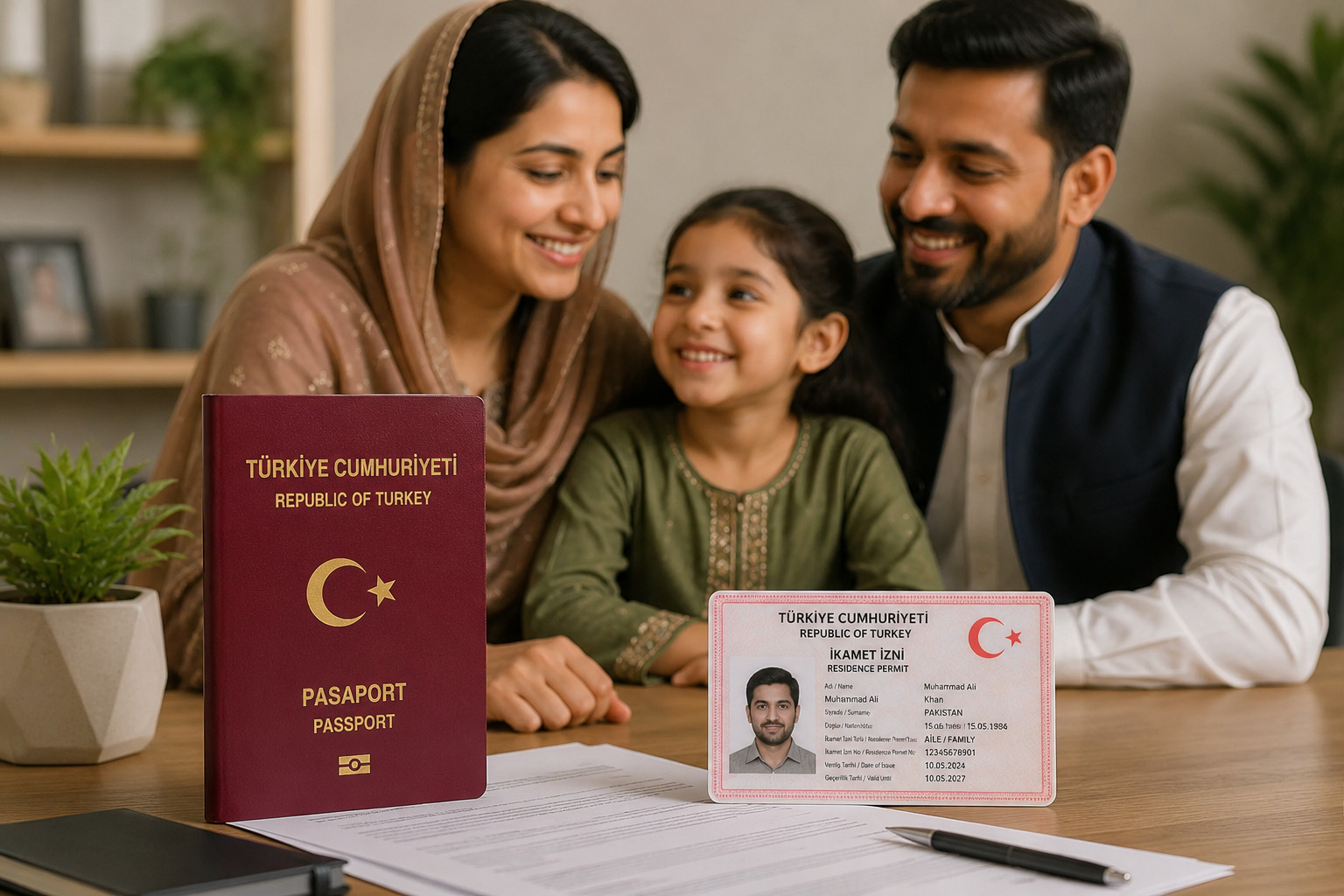
Turkish citizenship by investment remains one of the most practical and accessible routes for foreign investors in 2026. It offers a combination of legal clarity, family inclusion, real estate ownership, and a strategically important location. For investors from Pakistan, the Middle East, and beyond, it provides a realistic path to citizenship while also creating long-term property value.
The key to success is careful planning. Choosing the right property, making sure the valuation meets the threshold, keeping the paperwork accurate, and following the legal process step by step all matter. For buyers who want local support, Best House Turkey can help make the journey smoother and more secure.

This content has been prepared by Best House Turkey Real Estate Consultants.
Yasemin Us
Whatsapp: +905326073701
Phone: +908503080717