
How to Choose an Istanbul Neighbourhood for Your Daily Commute


A homebuyer’s guide to metro, Marmaray, ferry and everyday travel
The best Istanbul neighbourhood for your commute depends on where you go most often, when you travel and how easily you can reach the right station or pier from the apartment. Start with the door-to-door journey to work or school, then check how the same address works for groceries, appointments and evenings out.
A listing that says “close to the metro” tells you little about the route you will actually take. Two apartments in the same district can involve different station entrances, hills, transfers and waiting times. Use this guide to choose which neighbourhoods to view and compare Istanbul apartments once you have a shortlist.
Start With Your Weekly Routine
Mark your workplace, school and other regular destinations on a map. Note when you need to arrive and when you usually return. If two people will commute from the apartment, test both journeys before deciding where to look. A route that suits one person can leave the other making an awkward cross-city trip every day.
Give the most weight to the journeys you repeat. For a family that walks to school five days a week, a straightforward school run may matter more than an occasional trip to the airport. If you work from home, check which errands you can do on foot and how easy it is to reach the places you visit in person.
Compare Istanbul Neighbourhoods by Transport Corridor
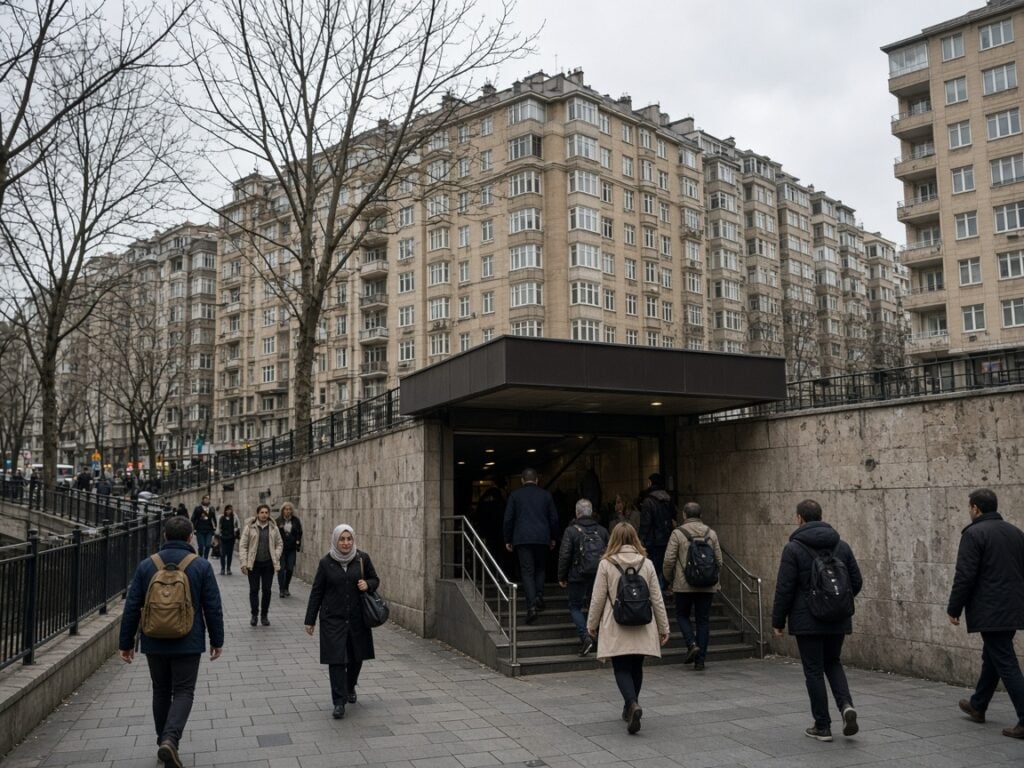
For Levent and Şişli Consider the M2 Corridor
If you regularly travel to Levent, Gayrettepe or Şişli–Mecidiyeköy, start with apartments near the M2 line. Metro İstanbul lists Osmanbey, Şişli–Mecidiyeköy, Gayrettepe and Levent on that corridor. Try the walk from each candidate apartment to the correct entrance, then check how far the office is from the exit at the other end. Station access can make a difference even when the rail journey is direct.
For Cross Bosphorus Rail Trips Consider Marmaray
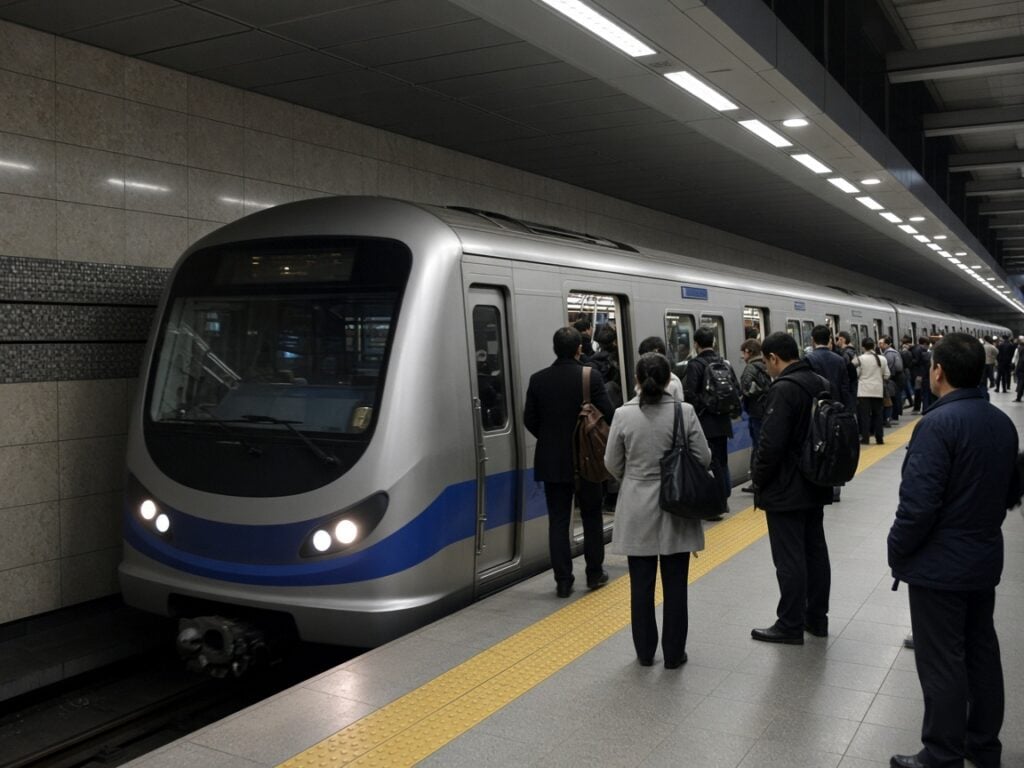
If you regularly cross between the two sides of Istanbul, compare addresses with practical access to Marmaray. Üsküdar and Yenikapı are useful starting points for testing journeys to destinations near those stations. On the Asian side, the Metro İstanbul network map shows the M4 and Marmaray interchange at Ayrılık Çeşmesi. If your apartment is on the M4 corridor, include that transfer and its walking time in the comparison.
For Trips to Karaköy or Eminönü Consider the Kadıköy Ferry
Şehir Hatları lists services from Kadıköy to Karaköy and Eminönü. A home within a comfortable walk of the Kadıköy pier can be a candidate if your destination is near the arrival pier. Check which sailing serves your stop on the days and at the times you travel. Test a rail or bus alternative for the return journey if you regularly work late.
For East West Road Connections Compare Metrobüs Access
İETT lists Metrobüs routes serving destinations such as Zincirlikuyu, Söğütlüçeşme and Avcılar. When comparing an address on this corridor, walk to the platform you would use and check any stairs, pedestrian bridges or road crossings. Take the service at your usual departure time to assess the wait and how easily you can board.
Measure the Full Door to Door Journey
Add the walk from the apartment entrance, the wait for the first service, time on board, transfer walks and waits, and the final stretch to your destination. Do the same in reverse. The morning route can look different from the return when service patterns change or when you need to walk uphill.
Consider two hypothetical listings. Apartment A has an 8-minute walk, a 6-minute wait, a 22-minute ride and a 5-minute walk at the other end, for a total of 41 minutes. Apartment B has a 4-minute walk, a 5-minute wait, 16 minutes on board across two services, 11 minutes to transfer and a 6-minute final walk, for a total of 42 minutes. These are sample calculations. They show why shorter advertised travel times or a nearer station can still lead to a similar overall journey.
Walk the Streets Around Each Apartment
Check the route to the station with the people who will use it. Look at the slope, pavement width, crossing points, lighting and whether step-free access is available at the entrance you need. If you use a pushchair or have limited mobility, test the exact path and station access in person where possible.
Visit again at a different time of day. An apartment above a busy road can be convenient for transport but sound different in the evening than during a midday viewing. Take a short walk to the supermarket, pharmacy or park you expect to use. This gives you a better feel for how much of your routine the street can support.
Compare the Apartment and the Route Together
Keep a short list of addresses that meet your basic requirements for layout, budget and building condition. For each one, record how long the main journey took, what was involved in the transfer and whether the route felt manageable. Compare those notes alongside the property itself.
If a development advertises a future transport connection, assess how you would travel using services that operate today. Record the proposed connection separately and check its status with the relevant operator before treating it as part of your daily route.
Istanbul Neighbourhood Viewing Checklist
- Test the trip from the building entrance to your actual work or school address.
- Walk to the station or pier entrance you would use in both directions.
- Count waits and transfers and check a backup route for evenings or disruptions.
- Check pavement quality, hills, crossings, lighting and step-free access.
- Walk to the shops and other services you expect to use weekly.
- Compare noise, layout, building condition and service charges separately.
Frequently Asked Questions
Is the European or Asian side better for commuting in Istanbul?
Start with your destinations. If work and school are on the same side, shortlist places with a direct connection there. If you will regularly cross the Bosphorus, compare the full Marmaray, ferry or Metrobüs journey from each address at the times you expect to travel.
Is it worth buying an apartment near an Istanbul metro station?
It can be worthwhile if that station serves the line you actually need and the walk is practical. Compare the time saved with the apartment’s price, layout and street conditions. A home slightly farther from the station can still work well if it offers a better walking route.
What is the difference between Marmaray and the Istanbul Metro?
Marmaray is a commuter rail service crossing the Bosphorus. The Istanbul Metro consists of separate lines serving different parts of the city. The networks connect at some stations. Check the official map to see whether your route uses one service or requires a transfer.
Can I rely on the ferry for my daily commute?
A ferry can work well when both ends of your trip are close to the right piers. Verify the official timetable in both directions for your usual travel days, then try the journey and identify a backup route.
How should I compare locations if I am buying from abroad?
Ask for the building’s exact location and a street-level video of the walk to the relevant station or pier. Map the full route at your expected travel times. Arrange an in-person test before committing where practical, especially if accessibility is a priority.
Find an Istanbul Apartment With Best House Turkey
Tell Best House Turkey where you need to travel each week, what your household needs from the apartment and which journeys you want to make without a car. Our team can use those details to narrow the property search and help you compare addresses before arranging viewings.
Browse ready properties in Istanbul and resale apartments and properties, or contact Best House Turkey to discuss your shortlist.
Official Transport Sources
Editorial note. Transport patterns and timetables change. Confirm current services on official operator websites before basing a purchase decision on a commute.