
Earthquake Due Diligence When Buying Property in Turkey

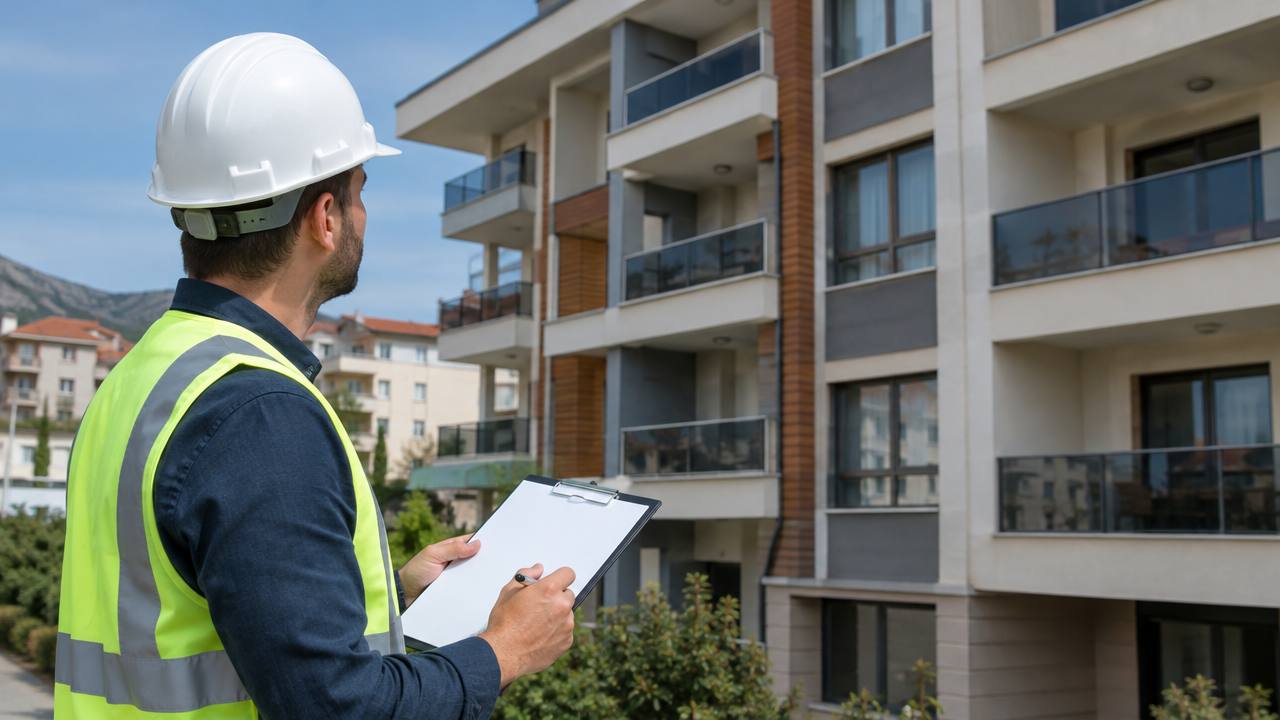
Before making an offer, assess the specific building, not only the neighborhood, listing description, or seller’s confidence about earthquake safety. Earthquake due diligence when buying property in Turkey means checking records, asking precise questions, and understanding evidence limits. Use this process before agreeing price, paying a deposit, or accepting deadlines that prevent independent review by qualified professionals. No checklist proves safety; it helps identify gaps, compare options, and decide whether investigation, renegotiation, or withdrawal is appropriate carefully.
1. Define the property specific assessment
Start with the exact apartment, house, and building, including its address, block, entrance, floor, and any extensions. A nearby building’s apparent condition cannot establish how this structure performs. Ask which risks matter to your intended use: family occupancy, rental income, renovation, or long term ownership. Record the questions before speaking with the seller, so that attractive finishes do not distract from structural concerns. Request permission to inspect shared areas and relevant documents. If access is refused, treat that as an information gap, not proof of a defect. Establish a decision deadline that leaves time for independent review, and avoid relying solely on verbal assurances or general claims about the district.
2. Investigate age and construction history
Ask when construction began and finished, whether permits and occupancy documentation are available, and whether later alterations occurred. Compare dates across records rather than accepting a single stated age. Building age alone does not determine earthquake performance: design, materials, workmanship, maintenance, and applicable requirements also matter. Request plans, permit documents, renovation approvals, and any records describing structural changes. Clarify whether the apartment’s current layout matches approved plans, especially if walls were removed or rooms combined. Ask management about repairs, water intrusion, settlement concerns, and prior structural evaluations. Keep copies and note missing items. If documents conflict, ask a qualified professional to explain the discrepancy before treating the property as adequately assessed or negotiating final terms.
3. Request technical records and verify scope
Ask the seller and building management for available engineering reports, inspection records, strengthening documentation, and correspondence about structural issues. Request complete documents, including dates, appendices, author credentials, and the building areas assessed. A report concerning one apartment, a visual visit, or a limited repair is not necessarily a whole building evaluation. Confirm whether findings address the actual structure and whether later work changed its condition. Do not interpret a certificate or administrative document as a guarantee of earthquake resistance. Ask an independent engineer what each record establishes, what it omits, and whether additional investigation is appropriate. Preserve written answers. Where records are unavailable, clarify whether they can be obtained and how uncertainty affects your offer, conditions, or decision.
4. Ask useful questions of seller and management
Ask the seller: What structural or seismic assessments exist, who commissioned them, and what actions followed? Ask whether alterations, repairs, or damage occurred, and request dates and supporting records. Ask management whether shared spaces show recurring cracking, leakage, settlement, or repair disputes, and whether minutes record engineering discussions. Separate observed facts from opinions: “no known report” is different from “a report found no concern.” Ask who can authorize access to the roof, basement, parking areas, and service rooms. Send questions in writing and summarize answers promptly. If responses are vague, inconsistent, or unsupported, do not fill gaps with assumptions. Treat unresolved questions as purchase risks requiring expert clarification or explicit transaction protections.
5. Arrange an independent professional review
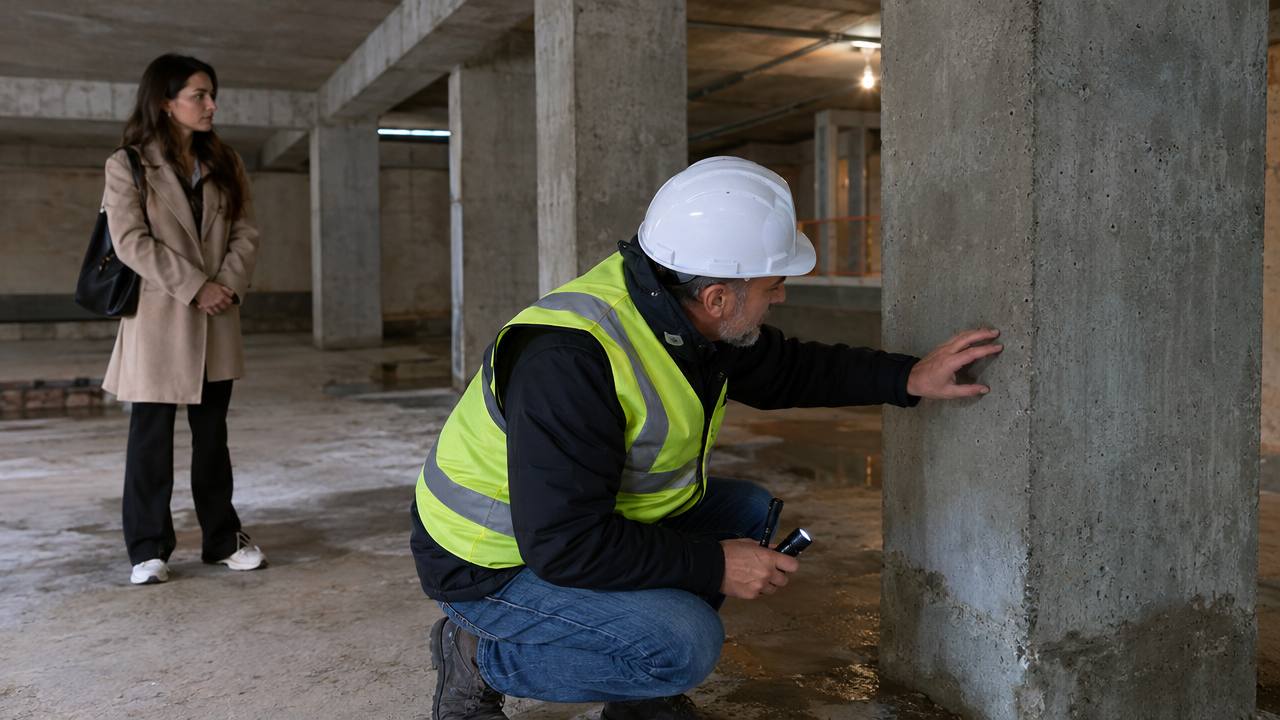
Choose a qualified structural engineer with relevant experience, independent of the seller and transaction outcome. Explain the property, your questions, and available records before agreeing the scope. Ask whether the proposed work is a visual assessment, document review, testing, or a more detailed structural evaluation; these are not interchangeable. Confirm access requirements, limitations, deliverables, timing, and fees in writing. Ask the engineer to identify urgent concerns, uncertainties, and recommended next steps, rather than provide a simplistic safety label. A professional inspection is property specific, but its conclusions still depend on scope and evidence. If the engineer recommends further testing or specialist review, consider that recommendation before committing, not after a deposit becomes difficult to recover.
6. Inspect visible conditions without diagnosing
During an authorized visit, photograph visible conditions in shared and private areas, noting location and date. Look for changes or damage that deserve professional attention, such as cracks, exposed reinforcement, corrosion, water intrusion, or altered structural elements. These observations cannot establish cause, severity, or earthquake performance. Avoid tapping, removing finishes, entering restricted areas, or disturbing building components. Ask the engineer which observations matter and whether access to concealed elements is necessary. Compare current conditions with dated repair records where available. Do not dismiss a concern because it appears cosmetic, or conclude the structure is unsafe from one mark. Your role is to document and ask; diagnosis belongs to an appropriately qualified professional working within an agreed scope.
7. Translate uncertainty into a purchase decision
Create a simple decision table listing each concern, supporting evidence, missing information, professional advice, and possible action. Separate confirmed facts from seller statements and your own assumptions. If key records are missing, ask whether an independent review can resolve the gap before the offer becomes binding. Discuss any inspection condition, access right, deadline, or deposit arrangement with your transaction adviser or lawyer. Compare the price only after considering investigation costs, possible repairs, delay, and the consequences of unresolved risk. Do not assign a precise safety score without a defensible technical basis. If uncertainty remains unacceptable for your intended use or budget, renegotiate, pause, or withdraw rather than letting sunk costs dictate the decision.
8. Keep a clear evidence and decision file
Maintain one secure file containing the listing, address details, dated photographs, requests, seller responses, management records, permits, reports, and professional advice. Use a simple log to track who supplied each item and when. Mark documents as verified, unverified, incomplete, or awaiting review; never silently treat an assertion as an established fact. Before signing, review outstanding questions with your engineer and legal adviser, including whether written purchase terms reflect promised access or document delivery. For remote buyers, request dated video walkthroughs, but do not substitute them for appropriate inspection. A clear record helps compare properties, communicate across languages, and revisit the rationale later. It supports disciplined decisions, not certainty or a guarantee of future performance.
Frequently asked questions
Does building age prove earthquake safety?
No. Age is one factor. Design, materials, workmanship, maintenance, alterations, and available technical evidence also matter. Ask an engineer to interpret the specific building.
Can a seller’s assurance replace an inspection?
No. Treat assurances as statements to verify. Request supporting records and arrange an independent review appropriate to your concerns and intended use.
What if no engineering report exists?
Absence of a report does not establish either safety or danger. Ask whether records can be obtained and whether a qualified engineer recommends further assessment.
Should I rely on a visual visit?
A visual visit can document visible conditions, but it cannot reveal every concealed issue or establish structural performance. Confirm its scope and limitations with the engineer.
What should I do when documents conflict?
Keep both versions, identify the specific discrepancy, and request clarification from the issuer or a qualified professional before relying on either record.
Can this article determine whether a home is safe?
No. It offers a due diligence process, not a property specific assessment. Have qualified professionals inspect relevant evidence before making your purchase decision.
Make the decision evidence led
Before committing, verify what the records actually cover, obtain independent professional advice, and document unresolved questions. Distinguish a missing document from a confirmed defect, while recognizing that uncertainty can still affect your decision. Ask for time and access to investigate, then compare the findings with your budget, intended use, and tolerance for risk. If essential questions remain unanswered, pause or reconsider rather than relying on optimism. Earthquake due diligence when buying property in Turkey is a disciplined process, not a guarantee. A property specific inspection by a qualified professional remains essential for assessing the building you may purchase.