
Inheritance of Property in Turkey: A Guide for Foreign Owners and Heirs


For foreign families inheriting a home in Türkiye, the first priority is to understand what must be verified before changing title records or making plans to sell. Inheritance can involve documents from more than one country, and procedures depend on the estate, the property, and applicable law. This guide explains steps for investigating records, coordinating with authorities and advisers, distinguishing registration from sale, and preparing questions. Treat each point as a checklist for professional review, not as an automatic outcome.
Start With the Estate
Begin by identifying the deceased owner, the property, and every person who may have an interest in the estate. Obtain a current title record and compare its owner details with available documents. Ask whether the property was solely owned, jointly held, mortgaged, or subject to another recorded right. Gather the death certificate and any will or succession document already issued. Keep copies and note where originals are stored. Do not assume that a relative named in a foreign document can immediately act in Türkiye. First establish which authority and process must recognize that document. This early fact check helps advisers identify gaps, conflicts, and urgent preservation needs before any transfer or sale is attempted.
Prepare Documents for Review
Make a document list rather than sending scattered papers. It may include the death certificate, identity and relationship records, the property title information, a will if one exists, and documents showing any representative’s authority. Ask the relevant adviser whether translations, notarization, apostille, legalization, or fresh copies are required for each item. Requirements can depend on where a document was issued and how it will be used. Record names exactly as they appear, including spelling differences between passports and certificates. Keep a secure digital folder and retain originals. If a document is missing, ask how to obtain an acceptable replacement before arranging travel or signing instructions. Never alter a record to make names appear consistent.
Identify the Authorities Involved
Different tasks may involve different public offices. A land registry handles title records and registration procedures, while a notary may be relevant to powers of attorney or formal documents. Tax offices and other authorities may also need to be consulted, depending on the estate and proposed transaction. Ask which office has jurisdiction over the specific property and what appointment or application process applies. Confirm requirements directly through an appropriate professional or authority before sending originals. Keep a dated log of submissions, receipts, requests, and responses. If officials request additional evidence, clarify the exact format and purpose. Do not treat one office’s document check as confirmation that every inheritance or tax issue is resolved.
Get Advice on Applicable Law
Do not assume that one nationality rule decides every inheritance question. Relevant considerations can include the deceased person’s circumstances, the location and nature of the asset, any will, and rules that apply across borders. Ask a qualified Turkish lawyer, and where appropriate an adviser in the deceased person’s other country, to explain which law and procedure may govern each issue. Request a written explanation of the next steps, uncertainties, and documents still needed. Share complete information, including family disagreements or earlier transfers. A professional should distinguish legal guidance from administrative assistance. If advice conflicts, ask each adviser to explain the assumptions behind it before relying on a conclusion or making an irreversible decision.
Separate Inheritance From Registration
Being an heir and appearing as owner on a land record are related but distinct matters. Ask the adviser what evidence establishes entitlement and what application is needed to update the title. Confirm whether all heirs must participate, whether a representative can act, and how any disagreement affects the process. Check that the property description and owner details match the records before submitting an application. Keep copies of the completed filing and any official outcome. Registration does not itself answer every question about taxes, debts, or rights among heirs. Avoid describing the transfer as complete until the relevant authority confirms the record has been updated and your adviser explains any remaining obligations.
Plan a Sale as a Separate Step
Transferring inherited ownership and selling the property are separate decisions with different practical requirements. Before marketing a home, confirm who has authority to sell and whether every necessary heir must consent or sign. Review the title record for mortgages, restrictions, or other recorded interests, and ask how these affect a proposed transaction. Discuss valuation, occupancy, maintenance, and any outstanding bills with the family and adviser. If an heir lives abroad, clarify acceptable signing arrangements and identity checks before setting a completion date. A sale may also raise tax or reporting questions; obtain advice based on the particular facts. Do not promise a buyer that ownership is ready to transfer until documentation and authority are confirmed.
Coordinate the Process From Abroad
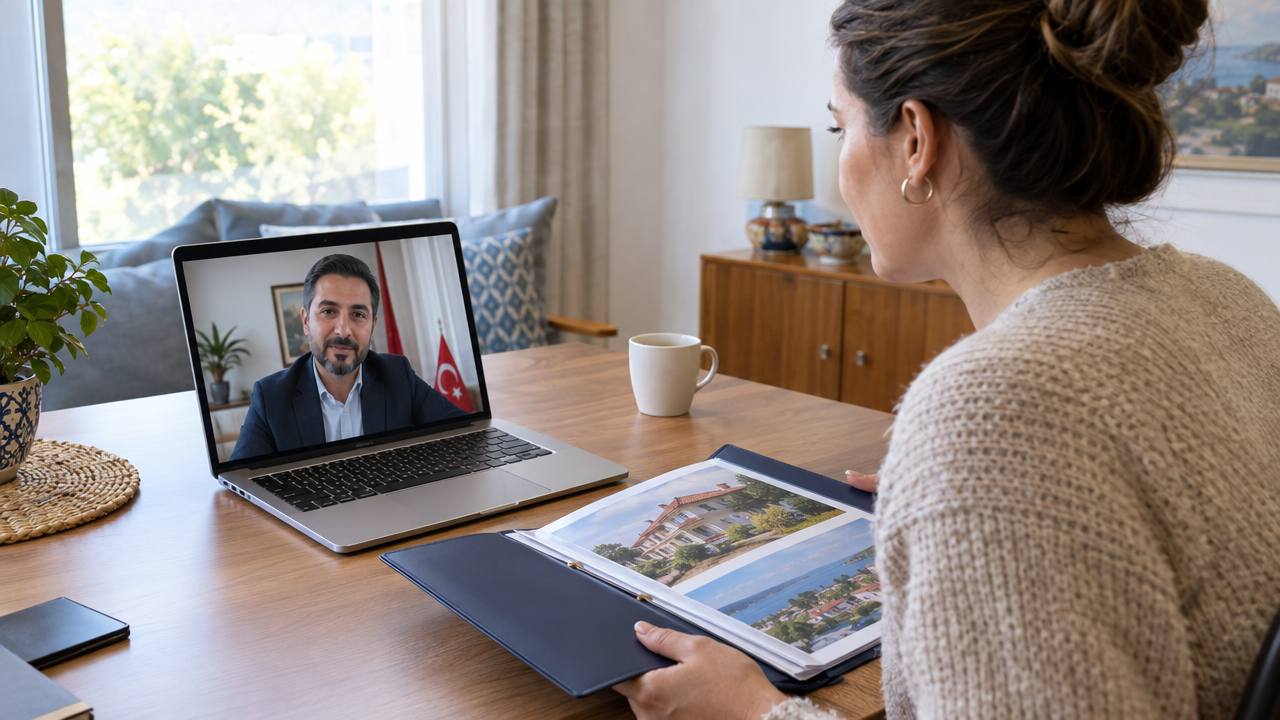
Overseas heirs can often organize much of the preparation remotely, but they should verify what can actually be completed without attending in person. Ask whether a power of attorney is suitable, what wording it needs, and where it must be signed or certified. Confirm that the representative’s authority covers the intended task and property. Send documents through secure channels, track delivery of originals, and agree on a clear update schedule with the adviser. Use video meetings to review records together, but do not treat a call as a substitute for formal execution. If several heirs are involved, coordinate identity documents and decisions early. Keep a shared checklist while limiting access to sensitive personal information.
Use a Clear Action Checklist
Turn uncertainty into a sequence of questions and documented decisions. First, confirm the current owner and property details. Second, list heirs, representatives, and existing estate documents. Third, ask advisers to identify the applicable process, required evidence, and relevant offices. Fourth, check whether translations or formal certifications are needed. Fifth, decide whether heirs intend to retain, manage, or sell the property. For example, a family that wants to keep a house for occasional visits can ask about shared authority and ongoing costs before registering or appointing a representative. Record who will do each task and by when. Review the checklist whenever an authority requests further documents or family circumstances change.
Avoid Common Delays and Errors
Common difficulties include relying on an outdated title copy, assuming a foreign document will be accepted without review, and confusing a representative’s authority with ownership. Prevent these problems by confirming record dates, asking about document formalities early, and reading every authorization before signing. Do not send original papers without agreeing how they will be protected and returned. If names, dates, or property details differ, disclose the discrepancy instead of trying to correct it informally. Where heirs disagree, pause commitments and obtain advice on decision-making rights. For a hypothetical family with one heir abroad and another in Türkiye, a shared document list and written approval process can reduce misunderstandings without deciding anyone’s legal entitlement.
Frequently Asked Questions
Can a foreign heir inherit property in Türkiye?
Do not assume a universal answer. Ask a qualified adviser to assess the heir, property, and applicable rules.
Does inheritance automatically update the title?
Entitlement and registration are separate matters. Confirm the required application and official record update.
Which documents should I collect first?
Start with the death certificate, identity and relationship records, title information, and any will or succession papers. Verify formalities.
Can I handle the process from abroad?
Some preparation may be remote. Confirm whether representation is accepted and what form of authorization is required.
Can heirs sell before title registration?
Do not presume they can. Ask who must sign and what authority and records a sale requires.
Is selling the inherited home the same as inheriting it?
No. Registration, authority to sell, transaction documents, and possible tax questions need separate review for the specific estate.
Move Forward With Verified Steps
Inheritance of property in Türkiye is easier to manage when heirs separate document gathering, legal review, title registration, and any later sale. Begin with accurate property and estate records, then confirm requirements with qualified advisers and the relevant authorities. Keep decisions, submissions, and responses organized, especially when family members live in different countries. Avoid relying on assumptions about nationality, signatures, or automatic ownership changes. A clear checklist helps you identify what remains uncertain and who should resolve it. Once the facts and formalities are confirmed, heirs can make informed decisions about keeping, managing, or selling the property with fewer avoidable surprises.