
Selling an Inherited Property in Turkey: A Practical Guide for Overseas Heirs


Begin sale planning after inheritance and confirm registered ownership first. Check that the land registry reflects the heirs and shares correctly. Gather available property records, identity documents, and inheritance paperwork before contacting buyers. If you live abroad, decide which tasks need local support. Consider valuation, sale terms, signing arrangements, and tax questions separately. Qualified Turkish advisers can assess legal or tax matters for your circumstances. Careful preparation helps you discuss the property clearly, avoid preventable delays, and make informed choices without treating general guidance as personal legal advice.
1. Confirm ownership before discussing a sale
Confirm that the land registry entry identifies the current owners and their recorded shares. Compare the title details with inheritance records and check the property description, including its location and type. If several heirs own shares, establish who may participate in decisions and signing. Do not assume that an old family document proves current registered ownership. Ask a qualified Turkish professional to review discrepancies or unclear records before making promises to a buyer. Write down questions, obtain explanations in a language you understand, and retain copies. This early check helps you set a realistic timetable and identify issues requiring resolution before marketing begins. Keep every heir informed.
2. Gather records and prepare property details
Collect the available title record, inheritance documents, identity details, and any records relevant to the property. Include building, occupancy, utility, or management papers when they exist and apply. Ask a local adviser which documents are needed for your specific sale; requirements can depend on circumstances. Create a secure digital folder, label files clearly, and keep originals safely. Note known repairs, occupancy arrangements, shared areas, and ongoing charges. Describe uncertainties honestly rather than making assumptions. For example, if a family member occupies the home, record that fact and ask how it affects viewing and handover discussions. Organized information supports clearer buyer questions and reduces avoidable back and forth.
3. Arrange representation and communication
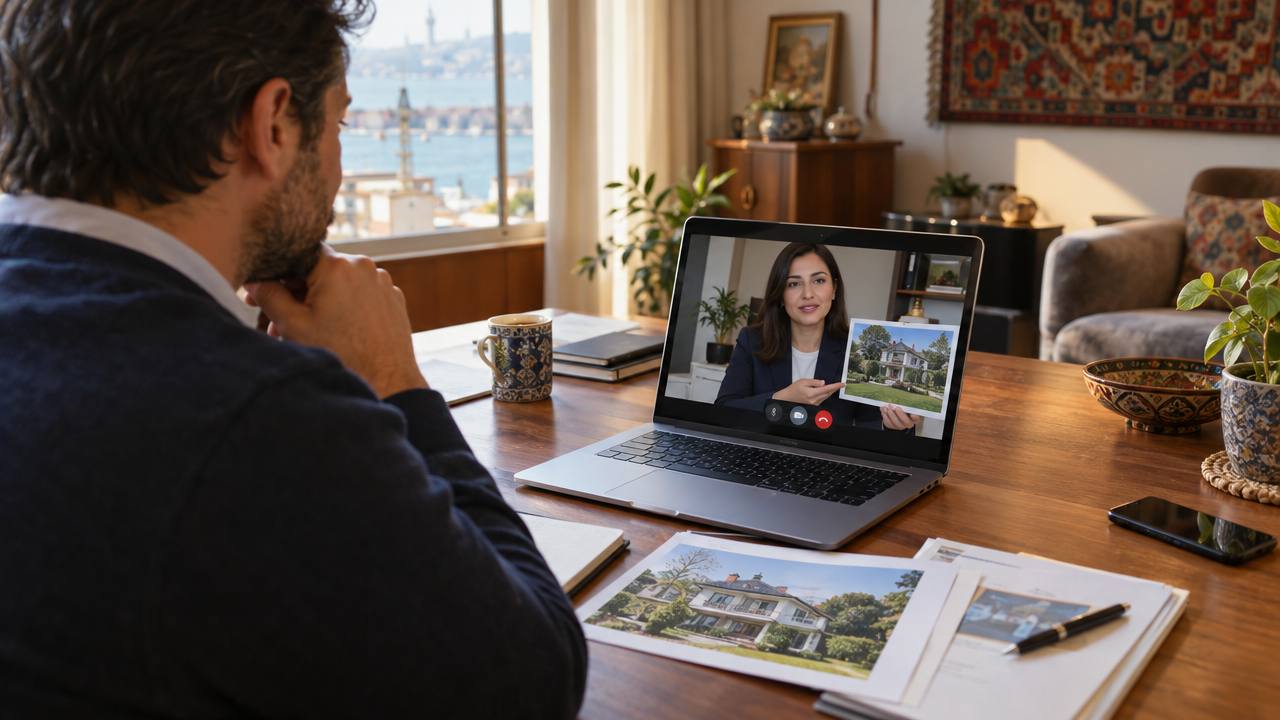
Overseas heirs may handle some coordination remotely, while arranging local help for tasks that require presence. Decide who will communicate with agents, arrange access, answer practical questions, and coordinate advisers. If appointing a representative, ask a qualified professional about suitable authority, wording, formalities, and limits. Do not sign a broad authorization without understanding what it permits. Agree how updates, offers, and proposed documents will reach every relevant heir. Keep a written decision record, including who approved material terms. For instance, an heir abroad might authorize viewings but reserve offer approval. Clear responsibilities reduce confusion; representation should support your decisions, not replace informed consent or professional review.
4. Prepare for valuation and sale discussions
Before setting expectations, gather comparable property information and ask qualified local professionals to explain their valuation approach. Consider condition, location, access, occupancy, and any restrictions or unresolved records. A suggested asking price is not a guaranteed sale price. Ask what evidence supports an estimate and what assumptions may change it. Decide whether your priority is timing, price, or a particular handover arrangement. When discussing offers, confirm the amount, payment method, proposed timetable, included items, and conditions in writing. For example, two heirs might prefer different deadlines; compare the practical consequences before agreeing. Avoid relying on pressure, informal promises, or a single unsupported figure when planning negotiations.
5. Agree how the property will be presented
Plan presentation around the property’s condition, access, and current use. Ask who can arrange keys, accompany visitors, and protect personal belongings during viewings. Remove private papers and valuables, while keeping useful records available for advisers. If work is proposed, compare its cost and likely benefit with selling in the present condition. Get permission from relevant owners before authorizing changes or spending shared funds. Tell prospective buyers about known issues clearly and consistently. A vacant home may be easier to show, while an occupied home requires respectful coordination. Choose practical arrangements that all decision makers understand, and record any agreed responsibilities before appointments begin.
6. Review offers and transaction arrangements
Evaluate each offer against your priorities, not only its headline amount. Check the proposed payment process, timing, conditions, and who will handle transaction documents. Have a qualified professional explain the agreement before signing, especially when several heirs are involved. Confirm that every required owner understands the final terms and signing plan. Clarify how proceeds are to be distributed among owners and what records will document payments. Do not treat a verbal offer as a completed transaction. If a buyer requests a deposit or unusual payment arrangement, obtain professional advice before accepting. Keep communications and signed records securely, and pause discussions if material terms remain unclear.
7. Check tax, costs, and payment questions
Tax treatment and transaction costs depend on individual facts, so do not rely on a general estimate. Ask a qualified tax adviser about your situation, including ownership history, sale timing, residency, and relevant documentation. Request a clear explanation of possible fees and who is expected to pay them. Discuss how sale proceeds can be received and documented, particularly if heirs live in different countries. Keep records of professional advice, expenses, payment confirmations, and final sale documents. Do not assume that one heir’s tax position applies to another. Before committing, ask advisers to identify uncertainties and explain which decisions require further information or separate specialist review.
8. Follow practical steps through completion
Use a simple sequence to keep the sale organized. First, confirm registered ownership and identify unresolved questions. Second, gather records and agree who will coordinate locally. Third, obtain a reasoned valuation and set presentation arrangements. Fourth, compare written offers and request professional review of proposed terms. Fifth, confirm signing, payment, and handover responsibilities with the relevant advisers. Keep a shared checklist with owners, due dates, and completed actions. If a document, payment, or authority is unclear, pause and ask before proceeding. After completion, retain final records and confirm that agreed proceeds and handover steps are documented. This process keeps decisions visible without promising a fixed timetable.
Frequently Asked Questions
Can I sell while living overseas?
Often, overseas owners can coordinate many steps remotely, but signing and representation requirements depend on the transaction. Ask a qualified Turkish professional how your circumstances affect the process before authorizing anyone.
Must every heir agree to the sale?
Do not assume one heir can decide for everyone. Confirm registered ownership, applicable authority, and required approvals with a qualified adviser before accepting an offer or signing documents.
Which documents should I gather first?
Start with available title and inheritance records, identity details, and property papers. Ask an adviser to identify any additional documents relevant to your property and planned transaction.
How should I choose an asking price?
Request a reasoned valuation that explains its assumptions and considers property condition and circumstances. An asking price is a discussion point, not a promise of the final sale amount.
Can someone represent me locally?
Representation may be possible, but the permitted authority and required formalities need professional review. Define limits clearly and keep approval of important sale terms with the appropriate owners.
What tax will apply to my sale?
Tax depends on personal and transaction details. Ask a qualified tax adviser to assess your circumstances rather than relying on general guidance or another heir’s individual position.
Make the sale informed and manageable
Selling an inherited Turkish property is easier to manage when ownership, records, responsibilities, and sale terms are addressed in order. Start by checking the registered owners, then organize relevant documents and arrange appropriate local support. Seek a reasoned valuation, discuss offers carefully, and obtain qualified advice on transaction and tax questions. Keep every heir informed, document decisions, and pause whenever authority or terms remain unclear. Your circumstances determine the details, so use this guide as a planning framework rather than a substitute for tailored advice. With clear communication and careful preparation, overseas heirs can approach the sale with greater confidence and fewer avoidable misunderstandings.