
Remote Property Ownership in Turkey: Managing a Home from Abroad


Managing property in Turkey from abroad takes more than occasional check-ins. Owners need a reliable local contact, clear spending authority, orderly records, and a practical way to approve work. A simple operating plan helps prevent confusion when a leak, bill, or maintenance issue arises while you are in another country. This guide explains how to arrange day-to-day oversight after purchase. It covers representative roles, upkeep, payments, documentation, communication, and service agreements, while keeping general information separate from legal or tax advice. Adapt each step to your property, location, and personal circumstances.
Choose an authorized representative and define the limits of authority
Start by listing tasks requiring action while you are away. Select someone dependable, reachable, and familiar with local practicalities nearby. Agree in writing which decisions the representative may make independently. Set spending limits and require approval for exceptional expenses before work begins. Specify whether the person may meet contractors, collect keys, or communicate with building management. Keep access limited to necessary duties, and avoid sharing unnecessary personal information. Confirm identity and contact details before granting access. Store an emergency contact list securely. Review arrangements when circumstances change. A representative should report actions promptly, retain receipts, and ask before accepting expanded responsibilities.
Plan routine maintenance and respond to property problems
Create a property checklist covering plumbing, heating, ventilation, appliances, doors, and visible signs of damp. Note the last service date and any known issue. Ask the representative to record observations consistently, using dated photographs where useful. Agree who contacts qualified tradespeople and how estimates are compared. For urgent risks, define immediate steps, such as shutting off water when safe, then notifying you. For nonurgent work, request a description, cost estimate, and proposed timing before approval. Keep spare keys controlled. Avoid delaying minor repairs when they could worsen. Review recurring needs seasonally, but adapt visits to the home’s actual condition and occupancy.
Arrange bill handling with clear checks and payment records
List recurring charges, payment methods, due dates, and account holders. Include utilities, building fees, insurance, and agreed services, without assuming every property has identical obligations. Decide which bills you pay directly and which the representative may coordinate. If someone handles payments, require invoices or receipts and a dated summary. Use secure account access and avoid sending passwords through informal messages. Confirm any payment instructions independently if they change unexpectedly. Reconcile charges against statements regularly, noting questions before they accumulate. Keep a reserve for routine costs, but set a written ceiling for discretionary spending. Ask a qualified adviser about obligations specific to your circumstances.
Keep an organized record of access, work, and property documents
Use one secure digital folder for contracts, warranties, invoices, inspection notes, and service contacts. Arrange files by topic and date so another person can locate them easily. Keep an access log recording key handovers, visits, and contractor attendance. Save before-and-after photographs for approved work, alongside the relevant estimate and receipt. Maintain an inventory of appliances and their condition, updating it after replacements. Store original documents safely and share copies only when needed. Choose a backup method and test access from abroad. Do not rely on a single phone or email account. A consistent record makes handovers clearer and helps identify incomplete tasks.
Set communication and approval procedures before issues arise
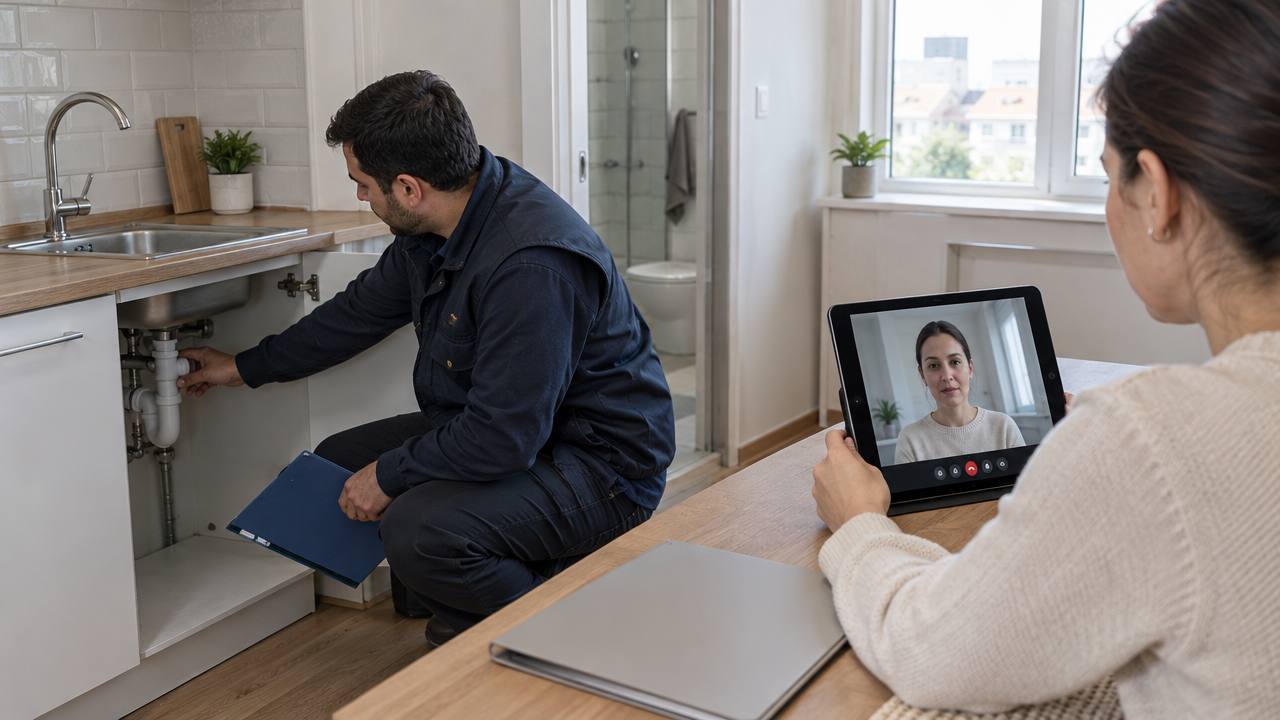
Choose a primary communication channel and a backup for urgent situations. Agree on reasonable response windows across time zones, and define what counts as urgent. A useful update states the issue, location, impact, action already taken, cost estimate, and decision needed. Set approval thresholds in writing, including how to proceed if you cannot be reached. For nonurgent decisions, request photos and options rather than a vague request for permission. Keep important approvals in a searchable message or email thread. Avoid mixing property decisions with unrelated conversations. If plans change, record the new instruction. Review the communication routine after the first few months and adjust it together.
Review service agreements for scope, reporting, and exit terms
Read any service agreement before relying on it. Check precisely which tasks are included, how often visits occur, and what is excluded. Look for pricing, additional charges, payment timing, cancellation rules, and the process for raising concerns. Confirm who may instruct contractors and whether separate approval is required for extra work. Ask how emergencies are handled, what records are supplied, and how keys or access details are protected. Avoid treating broad promises as defined duties. Request clarification in writing when wording is unclear. Compare the agreement with your own operating plan, then keep the signed version accessible. Seek independent professional advice about legal effect when appropriate.
Use a simple workflow for approving and tracking property work
When an issue appears, ask the representative to describe it and send dated photographs. Classify it as urgent or routine using your agreed definitions. For routine work, request a written estimate, proposed timing, and the name of the contractor. Compare the proposal with your spending limit and approve, decline, or ask for alternatives. Record the decision in the shared log. After completion, collect the invoice, payment evidence, and photographs where relevant. Mark the task closed only after checking that the result meets expectations. For a hypothetical loose tap, for example, a modest repair may proceed under a preset limit; replacement of a fixture may need your approval.
Review the arrangement regularly and correct common management gaps
Schedule a periodic review of open tasks, expenses, access arrangements, and contact details. Check that bills are being documented and that agreed visits are recorded. If updates arrive late, reset response expectations and agree a concise reporting format. If expenses lack receipts, pause further discretionary spending until records are complete. If access becomes unclear, confirm who holds each key and update the log. Avoid assuming that a representative’s availability, a building’s procedures, or service costs will remain unchanged. Update your plan after a move, renovation, change of representative, or extended vacancy. Keep legal, insurance, and tax questions for appropriately qualified professionals familiar with your situation.
Frequently Asked Questions
Do I need a local representative?
A nearby contact can help coordinate access, inspections, and repairs when you cannot attend. The role should be agreed clearly, with duties, limits, reporting expectations, and a backup contact documented before access is granted.
Can someone pay my property bills?
That depends on your arrangement and the payment method. If another person coordinates payments, require supporting invoices, receipts, and regular summaries. Ask a qualified adviser about obligations that apply to your circumstances.
How often should my home be checked?
There is no universal schedule. Consider occupancy, known maintenance needs, building arrangements, and the property’s condition. Agree a practical frequency with your representative, then revise it when circumstances change.
What should an urgent update include?
Ask for the issue’s location, likely impact, immediate action, photographs when safe, estimated cost, and the decision required. Agree beforehand what can be done if you cannot respond quickly.
Should I approve every repair?
Set written spending thresholds. Your representative may handle clearly defined minor tasks within an agreed limit, while higher-cost or unusual work should wait for your approval, except under a documented emergency procedure.
Is this guide legal or tax advice?
No. It offers general operational considerations for remote owners, not advice tailored to your case. Consult appropriately qualified professionals about legal authority, taxation, insurance, or other questions specific to you.
Build a workable remote ownership routine
Managing property in Turkey from abroad becomes more practical when responsibilities and decisions are explicit. Choose a suitable representative, document authority, organize maintenance and bill records, and agree how approvals and urgent updates will work. Review any service agreement against those expectations, and revisit the plan when people, access, or property needs change. Keep records accessible but secure, and distinguish routine coordination from matters needing professional advice. A modest, consistent process gives you clearer oversight without assuming that every home or owner has identical needs. Start with a checklist, confirm it with the people involved, and keep the arrangement current.